
One session checklist for UK homeowners to diagnose a musty smell
One session checklist for UK homeowners to diagnose a musty smell
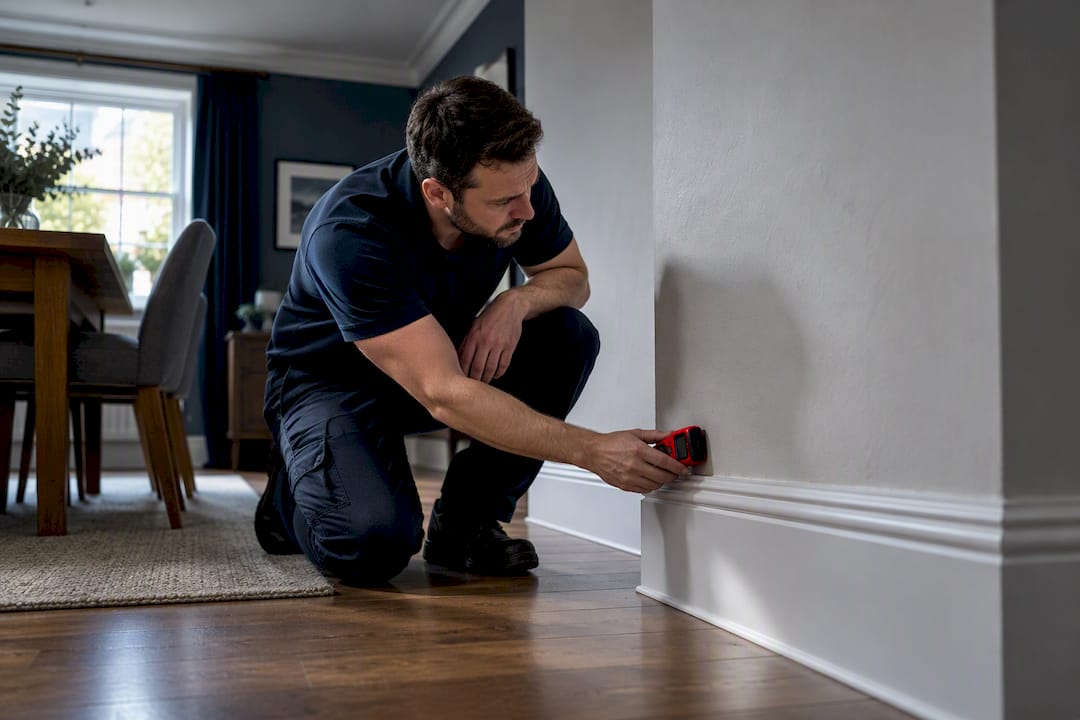
A musty smell almost always means moisture-driven microbial growth is active somewhere nearby, even if you cannot see it. The first action is simple: buy a hygrometer, check the relative humidity in the affected room, and note when the smell gets stronger. If humidity stays below 50% and the odour persists for an extended period, that points to hidden mould or a structural moisture problem, and a professional inspection is the next step.
TL;DR:
- Most musty smells are caused by hidden mould growth driven by high humidity or moisture ingress that is not always visible.
- Testing and monitoring room humidity, particularly keeping it below 50%, is crucial in preventing germination and mould production.
- A quick removal test of stored textiles and organic materials can identify absorbed-moisture sources as the cause before engaging in costly treatments.
- Persistent odours after steady humidity control suggest structural moisture problems or hidden mould, requiring professional diagnosis.
- Professional surveys provide detailed moisture mapping, visual inspection, and a clear scope for targeted and effective treatment solutions.
Table of Contents
- How to diagnose a musty smell in your house
- What causes a musty smell in a home?
- Where to check first: room-by-room hotspots
- Step-by-step: how to get rid of a musty smell
- When should you call a damp specialist?
- Why a survey-led approach gets the diagnosis right
- The priority order that actually works
- How Quay Point Plastering can help with a musty smell
- Sources
- FAQ
How to diagnose a musty smell in your house
Work through this checklist in one session, ideally over a weekend when you can leave a few tests running.
- Measure humidity room by room. Use a cheap plug-in hygrometer in the affected room and a comparison room. Anything consistently above 60% is worth investigating further, since mould germination often begins above that threshold.
- Walk the house with HVAC off, then on. Note whether the smell is stronger, weaker, or unchanged. A smell that appears the moment your heating or air conditioning starts is a strong clue pointing at the system itself.
- Run a 48-hour removal test. Move suspect items (damp cardboard boxes, old textiles, stored rugs) outside or into a garage and see if the smell drops. If it does, you have found an absorbed-moisture source rather than a structural one.
- Flush unused drains. Run water through any sink, shower, or floor drain you rarely use, and check appliance seals and detergent drawers for a sour, musty tang.
- Log the timing. Does the smell worsen after rain, when the boiler cycles, or after laundry day? Timing is one of the most useful diagnostic signals you have.
What causes a musty smell in a home?
The smell itself is chemical evidence, not just an unpleasant sensation. Living mould produces microbial volatile organic compounds, or MVOCs, which your nose can often detect before any mould is visible. That is why a house can smell musty for weeks with nothing obviously wrong on the walls.
The most common triggers behind that smell include:
- Hidden mould growing inside a wall cavity, under flooring, or inside ductwork, where the smell is persistent and often strongest near one wall or vent.
- Plumbing leaks or rain-driven ingress, where the smell noticeably worsens after wet weather.
- Biofilm in washing machines, condensate pans, or drains, which produces a recurring sour-musty smell that surface cleaning only masks temporarily.
- Absorbed moisture in textiles, cardboard, and carpets, which slowly re-release odour long after the original damp event.
Humidity is the number that matters most here. Keep rooms between 30% and 50% relative humidity and you starve most mould of the conditions it needs; let a room sit above 60% for any length of time and germination becomes far more likely.
Where to check first: room-by-room hotspots
Some rooms give up their secrets faster than others. Start with these:
- Cellar or basement. Tape a square of foil or cling film to the wall overnight; moisture on the room-facing side signals condensation, moisture on the wall-facing side signals penetrating or rising damp. A dehumidifier that fills unusually fast over two weeks also points to structural ingress.
- Bathroom. Check grout lines and silicone seals for softness or discolouration, test whether the extractor fan actually clears steam within ten minutes, and look under the sink for slow leaks.
- Laundry area. Pull back the washing machine door gasket and smell it directly, check the detergent drawer, and inspect the drainage hose for kinks that trap standing water.
- Cupboards and wardrobes. Empty them out, air the space for a day, and smell the fabrics separately from the cupboard itself to isolate the source.
- HVAC system. A smell that arrives with the first blast of warm or cool air usually means the coils, filter, or condensate pan need attention rather than the room itself.
- Carpets and underlay. A smell that fades after steam cleaning but returns within days usually means the underlay is holding moisture and needs replacing, not the carpet fibre.
Step-by-step: how to get rid of a musty smell
Work through these steps in order rather than jumping straight to the most drastic option.
- Ventilate first. Open windows when outdoor humidity is lower than indoor humidity, run bathroom and kitchen extractors during and after use, and top up any dry P-traps by running water through them.
- Bring in a dehumidifier. Set it to hold the room at 45% to 50% relative humidity and give it 7 to 14 days. If the smell has not visibly eased in that window, the cause is probably not simple ambient humidity.
- Deal with soft furnishings honestly. Wash what can be washed at a high temperature, dry it fully and quickly, and bin anything that still smells after two wash cycles.
- Service the HVAC system before calling in duct cleaners. Change filters, inspect the condensate pan for standing water, and check the coil for visible grime. Many musty-smell callouts in duct systems trace back to one of these three points.
- Know when to stop DIYing. Extensive visible mould, warped or bouncy flooring, or any household member developing new respiratory symptoms means it is time to bring in a specialist rather than keep scrubbing.
Pro Tip: If you can only run one test this weekend, run the 48-hour removal test on stored textiles and boxes first. It is the fastest way to rule out absorbed-moisture smells before you spend money on dehumidifiers or professional surveys.
When should you call a damp specialist?
Some signs are worth escalating straight away rather than waiting out the full diagnostic window.
- The smell persists after two weeks of relative humidity kept under 50%, which strongly suggests hidden mould or a structural moisture issue.
- The odour appears specifically when the HVAC system starts, or seems strongest somewhere you cannot inspect visually, such as inside a cavity wall.
- You see damp staining, soft or warped plaster and timber, or the property has a history of flooding or leaks, especially after heavy rain.
- Anyone in the household develops new or worsening breathing problems, since the NHS treats persistent damp and mould as a genuine health concern worth acting on.
A proper survey at this stage delivers a visual inspection, moisture mapping across the affected area, dated photographs, and a written scope of recommended work, so you know exactly what you are paying for before any treatment starts.
Why a survey-led approach gets the diagnosis right
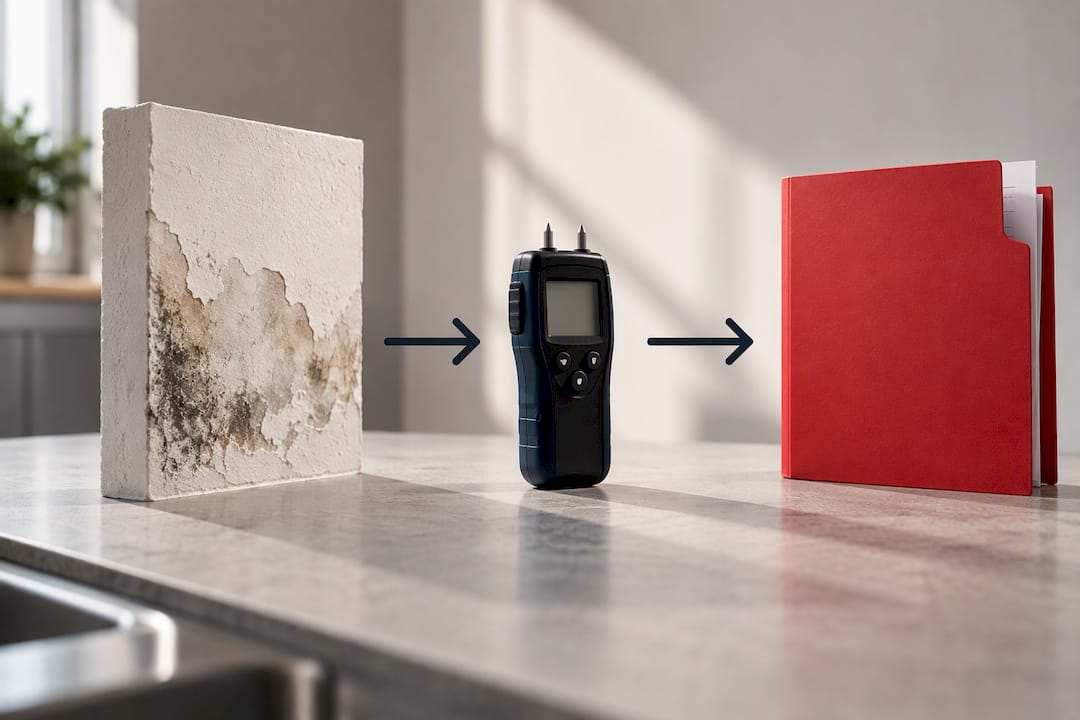
Guesswork is expensive. Treating condensation as if it were rising damp, or masking a biofilm smell instead of removing it, wastes money and lets the underlying moisture keep working. Quay Point Plastering’s process inspects first, documents what it finds with photographs and moisture readings, and only then proposes a defined scope of remedial work.
Before booking any survey, ask the surveyor:
- Will you show me the moisture readings and photographs, not just tell me the result?
- Will I get a written scope of work before any treatment begins?
- Is the guarantee for the finished work in writing?
- Are you distinguishing between condensation, rising damp, and penetrating damp, or assuming one cause?
The priority order that actually works
Thirty-five years of local damp and timber work teaches you one thing above all: diagnose before you treat. Most humidity-driven musty smells clear within 7 to 14 days once you correct ventilation and dehumidification. If yours does not, that is not a sign to try harder with air fresheners. Work the checklist, then book a survey.
— Quay
How Quay Point Plastering can help with a musty smell
Quay Point Plastering gives Dorset, Hampshire, and Wiltshire homeowners a documented alternative to guesswork treatments: every job starts with a survey, not a sales quote. If your checklist points to something beyond ventilation and cleaning, a damp and timber survey maps the moisture, photographs the evidence, and sets out a written scope before any work is agreed.

Depending on what that survey finds, the recommended scope might involve black mould removal, cellar and basement waterproofing, damp-proof course injection, or damp re-plastering once the moisture source is dealt with. Every job carries a guarantee on the finished work, so you know what you are covered for once the treatment is complete. Book a survey through Quaypointplastering to get a documented diagnosis before you spend another penny on treatments that might be solving the wrong problem.
Sources
- Can damp and mould affect my health? (NHS)
- Scientific literature on MVOCs and indoor mould (PubMed reference)
FAQ
How do I stop my house from smelling musty?
Control humidity first: ventilate, run extractor fans, and use a dehumidifier to hold rooms between 30% and 50% relative humidity, the range gov.uk recommends for preventing mould growth. Clean biofilm in washing machines and drains rather than masking it, and if the smell persists after two weeks of dry conditions, book a professional inspection.
Why would my house suddenly smell musty?
A sudden musty smell usually follows a change in moisture, such as a new leak, a spell of heavy rain, a blocked extractor fan, or a dry P-trap that has let sewer air back into the room. Check timing carefully: smell that worsens after rain points to ingress, while smell on HVAC startup points to the system itself.
How can I get rid of a musty smell in my house?
Work through ventilation, dehumidification, and targeted cleaning of biofilm on gaskets, drains, and condensate pans before considering anything more invasive. If the smell does not ease within 7 to 14 days of steady humidity control, hidden mould or structural moisture is the likely cause, and a damp and timber survey will identify exactly where it is coming from.
Why does my house smell musty even though there’s no damp?
Mould produces MVOCs, chemical compounds that your nose can often detect before any visible damp or mould appears. The smell can also come from non-mould sources, such as a dry P-trap under an unused drain, biofilm in an appliance, or absorbed moisture in stored textiles and cardboard, none of which show up as a visible damp patch.