
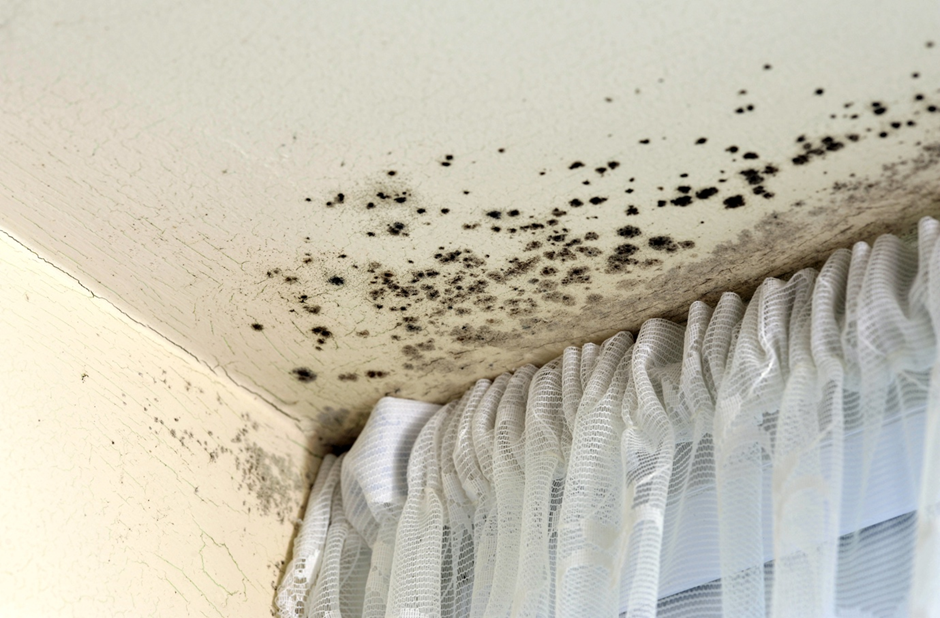
Rain-related change is a strong clue for penetrating damp. The challenge is tracing the route from the external defect to the internal mark.
01
Start above and outside the patch
Overflowing gutters, downpipe joints, roof junctions, flashings, cracks and open pointing should be reviewed. Water can travel before it becomes visible indoors.
02
Consider openings and cavities
Window seals, sills, cavity debris and alterations can create local bridges. Wind direction and exposure help explain why only some storms trigger the problem.
03
Repair in the right order
Correct the entry source, allow the wall to dry, then reinstate damaged plaster and decoration. Early internal sealing can hide evidence and repeat the failure.
Complimentary survey
Book Your Complimentary Survey
Over 35 years of independent expertise. Written findings included. No sales pressure. No obligation.
Book your complimentary surveyTechnical review
Dan, Director / Surveyor
Last reviewed: July 2026. Advice is general until the property, access and visible evidence have been assessed.
When to arrange a visit
Book an inspection when the problem is persistent, changing, purchase-related or unclear after basic maintenance checks.