
Survey Led Fixes for Basement Flooding and Damp for UK Homeowners
Survey Led Fixes for Basement Flooding and Damp for UK Homeowners
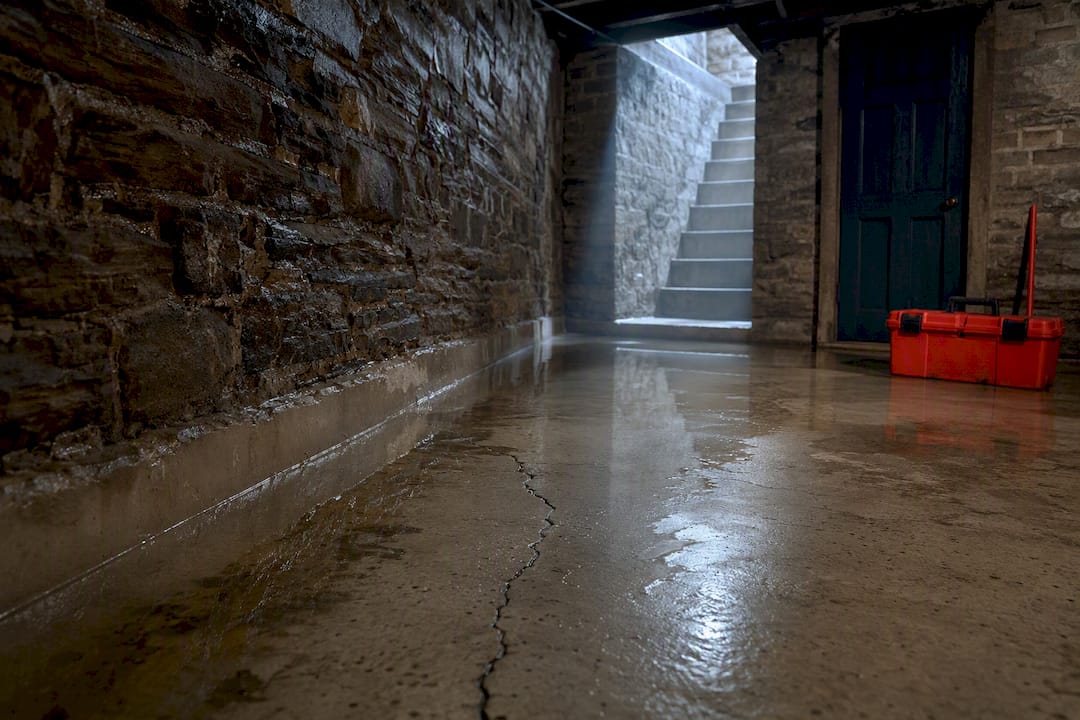
If water is actively coming into your basement, this is an emergency: isolate the electrics if it’s safe to reach the consumer unit, get people and pets clear, and photograph the water line before you touch anything. If the basement is merely damp rather than flooded, you’re dealing with a diagnosis problem, not an emergency. Short-term drying buys you time; a proper survey is what actually fixes it.
TL;DR:
- A thorough diagnosis before treatment is essential, as different water entry causes require specific fixes, from drainage to structural repairs.
- Preventative measures like gutter cleaning, proper grading, and sump pump testing significantly reduce the risk of basement flooding.
- Interior drainage systems with sump pumps are usually the most effective fix for hydrostatic pressure, but exterior membrane solutions are more costly and invasive.
- Moisture readings and visual inspection by professionals are necessary for accurate cause identification and to avoid wasting money on unsuitable treatments.
- Rising flood risks from climate change make ongoing maintenance and permanent drainage solutions increasingly important for protecting basements.
Table of Contents
- What causes flooding and basement damp?
- What should you do in the first 24 to 48 hours after a basement floods?
- How do you dry out and clean a flooded or damp basement?
- What damage and health risks come from ignoring basement damp?
- How can you prevent basement flooding before it starts?
- Which waterproofing systems actually fix basement damp?
- When should you call in a professional survey?
- Is climate change making basement flooding worse?
- How much does basement waterproofing typically cost?
- Why survey-led diagnosis beats quick fixes
- Get a survey-led fix for your basement damp
- Sources
What causes flooding and basement damp?
Water gets into a basement in one of four ways, and telling them apart matters because each needs a different fix. Guessing wrong wastes money on treatments that address the symptom, not the mechanism.
Hydrostatic pressure builds up when the soil around your foundation becomes saturated, forcing groundwater through the cove joint (where the wall meets the floor) or straight through hairline cracks in the slab. This is the most common cause of a persistently wet basement floor with no obvious plumbing fault.
Surface water problems are usually simpler to spot: overflowing gutters, disconnected downspouts, and ground that slopes towards the house rather than away from it all funnel rainwater straight to your foundation. Blocked or poorly graded drainage is one of the most preventable causes of basement flooding, and it’s often the cheapest to correct.
Other culprits include:
- Burst or leaking supply pipes, which tend to produce a constant drip regardless of weather
- Sewer backups, often identifiable by an oily sheen on the water or a foul smell
- Failing soakaways that can no longer disperse water fast enough during heavy rain
Condensation is different again. It’s driven by warm, humid air meeting cold surfaces rather than water intrusion, and it tends to appear in summer rather than after storms. A simple aluminium-foil test, taping a square to the wall and checking which side gathers moisture after 24 hours, tells you whether you’re dealing with condensation or penetrating damp from outside.
What should you do in the first 24 to 48 hours after a basement floods?
Speed matters, but not as much as sequence. Doing things in the wrong order risks injury or destroys evidence you’ll need for an insurance claim.
- Check for electrical hazards first. Never step into standing water if there’s any chance sockets, appliances, or the consumer unit are submerged or wet. Call an electrician if you’re unsure.
- Stop the source if you can do so safely. Shut off the mains if a pipe has burst, redirect downspouts away from the foundation, and clear any blocked surface drains you can reach.
- Document everything before you clean up. Photograph the water level, note the time it started, and mark high-water lines on the wall with tape or pencil.
- Start temporary water removal. Pump water to a safe discharge point well away from the foundation, move valuables and stored items to dry ground, and consider a water alarm for early warning next time.
- Call a surveyor or insured contractor if the water keeps returning, if you see cracking, or if the volume suggests something structural rather than a one-off event.
Pro Tip: Keep a simple flood log on your phone, timestamped photos plus a one-line note each time. Insurers and surveyors both move faster when the timeline is already laid out for them.
How do you dry out and clean a flooded or damp basement?
Getting the water out is only half the job. What happens in the following two weeks determines whether you end up with a dry basement or a mould problem.
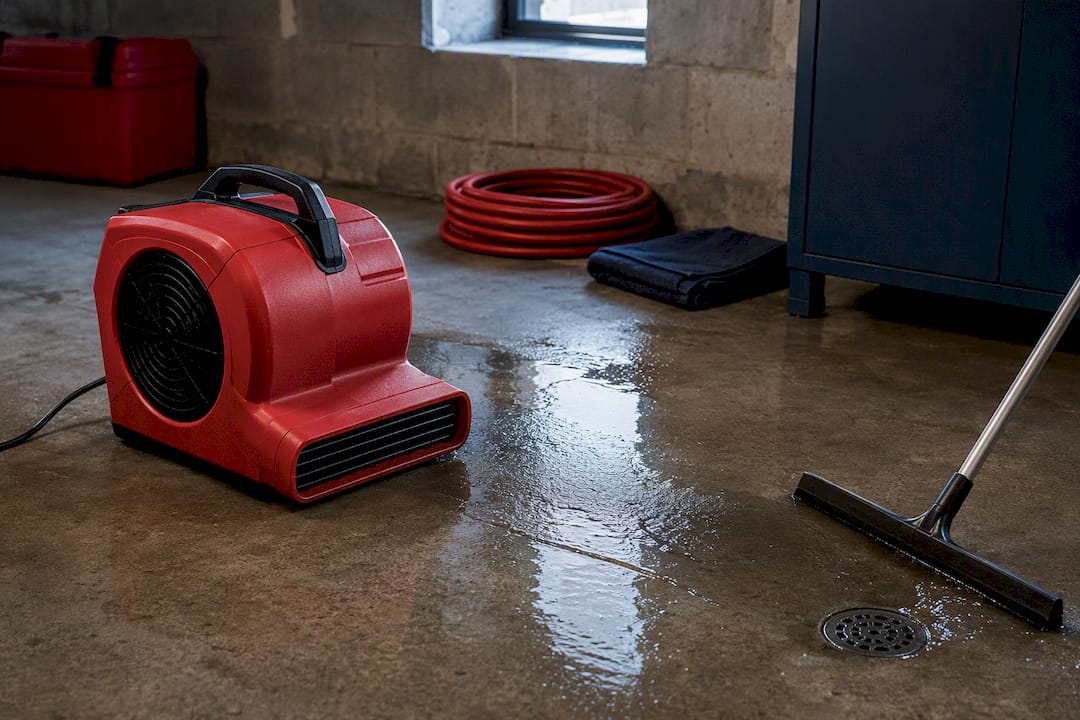
Start with mechanical water removal: a submersible pump for standing water above a few centimetres, then a wet/dry vacuum for the rest. Keep power leads well clear of any wet surfaces. Once the floor is clear, bring in air movers and a dehumidifier, and track progress with a moisture meter or hygrometer rather than guessing by eye or smell.
Some materials simply can’t be saved once they’ve been wet for more than 24 to 48 hours:
- Wet insulation, which loses its properties and traps moisture against the wall
- Soaked plasterboard and skirting, which wick water upward and rarely dry out fully in place
- Carpet and underlay that has been in contact with contaminated water
Small patches of surface mould on hard surfaces can often be cleaned with standard household products. Anything covering more than roughly a square metre, or growing on porous material like plasterboard, generally needs a specialist assessment rather than a DIY scrub. If your policy covers flood damage, keep every invoice, contractor quote, and drying report. Loss adjusters move faster with a complete paper trail than with a verbal account of what happened.
What damage and health risks come from ignoring basement damp?
Leaving basement damp untreated rarely stays a cosmetic issue. It tends to escalate in three directions at once, and each one gets more expensive the longer it’s left.
Structurally, sustained moisture and hydrostatic pressure cause concrete to spall, walls to bow inward, and exposed timber to soften and decay. Health-wise, mould spores don’t stay put. Warm air rising through a building, known as the stack effect, carries basement contaminants up into living spaces and can affect indoor air quality on floors well above ground level. Financially, a basement with a known damp history is a red flag on any survey, and buyers routinely negotiate the asking price down once it’s flagged.
Watch for these signs that a minor issue is becoming a major one.
- Cracks that visibly widen over a few months rather than staying static
- A musty smell that persists even in dry weather
- Timber that feels soft, spongy, or crumbles under light pressure
How can you prevent basement flooding before it starts?
Most basement water problems begin outside the building, which means the cheapest and most effective fixes usually don’t involve drainage contractors at all. Homeowners who tackle gutters and grading first often see a real drop in water entry before spending a penny on anything mechanical.
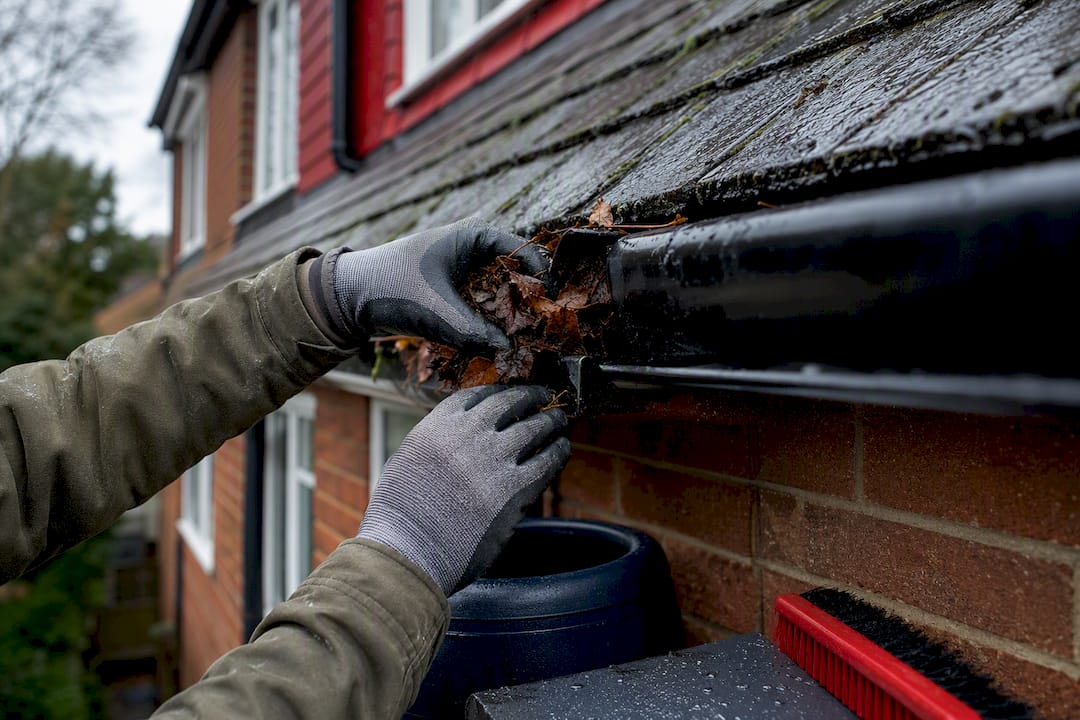
- Clean gutters twice a year and check that downspouts extend away from the foundation using extenders or splash blocks.
- Check the grading around your property. Ground should slope away from the walls; regrading a small area is far cheaper than repairing a flooded basement.
- Fit window well covers where you have below-grade windows, and make sure their drainage isn’t silted up or blocked with leaves.
- Test your sump pump every few months by pouring water into the pit and watching it activate, not just assuming it works.
- Check weep holes and wall seals for blockages, particularly after a hard winter or a period of heavy rain.
During any storm warning, it’s worth checking Met Office weather alerts so you can clear drains and downspouts before the rain arrives rather than after.
Which waterproofing systems actually fix basement damp?
This is where a lot of money gets wasted on the wrong product. The right system depends entirely on how water is getting in, and no amount of paint-on sealant fixes a hydrostatic pressure problem.
- Interior perimeter drainage (French drain) with a sump pump collects water at the base of the walls, at the cove joint, and channels it to a pump for discharge. This is generally the most effective response when water is entering under the slab or along the wall/floor junction.
- Cavity drainage systems manage wall seepage differently: a studded membrane creates a gap between the wall and the room, letting water run down behind it to a sump, without the heavy excavation that exterior tanking requires.
- Exterior membranes and tanking stop water before it reaches the wall at all, but they require excavation around the foundation and are usually reserved for cases with genuine structural exposure.
- Crack injection and surface sealants have their place for small, isolated cracks, but they routinely fail against sustained hydrostatic pressure because the water simply finds the next weak point.
Basement waterproofing methods range from these interior systems through to full exterior membranes, and the choice should follow the diagnosis, not the price tag. Whichever interior system you choose, the sump pump is the single point of failure. Fit a battery backup and a high-water alarm as standard, since pumps most often fail during the exact power outages that come with the storms causing the flooding in the first place.
Pro Tip: If you’re installing a closed-channel drainage system, ask your contractor about radon considerations at the same time. Modern systems can be specified to manage radon risk without any extra excavation.
When should you call in a professional survey?
Guesswork is expensive. A cavity drain fitted where the real problem is a leaking gutter fixes nothing and delays the actual repair by months. Diagnosis has to come before treatment, not the other way round.
A competent survey documents visual findings room by room, takes moisture readings with a meter rather than relying on touch or smell, and attributes a probable cause before recommending any work. You should expect a written scope of works, a clear estimate, realistic timescales, and a workmanship guarantee, not a verbal quote scribbled on the back of a van.
Book a survey without delay if you notice any of the following:
- Damp returning in the same spot every time it rains, weeks or months apart
- Tide-mark staining or crumbling plaster near skirting level, a classic rising damp indicator
- Walls that appear to bow or lean inward
- Mould that keeps coming back after cleaning, even in a ventilated room
Is climate change making basement flooding worse?
Basement flooding and damp are becoming harder to prevent with the same fixes that worked a decade ago, largely because rainfall patterns have shifted towards shorter, more intense bursts rather than steady, predictable rain. Drainage systems, soakaways, and grading designed for gradual rainfall struggle when several weeks of rain arrive in a single afternoon.
This matters for basements specifically because saturated ground doesn’t drain between storms the way it used to. Hydrostatic pressure against foundation walls builds and stays elevated for longer, giving water more time and more force to find its way through the cove joint or hairline cracks. Groundwater tables that used to drop reliably over summer are staying higher for longer in many areas, which means a system sized for occasional flooding may now be facing near-constant low-level pressure.
Checking Met Office storm warnings has moved from an occasional habit to something worth doing routinely if your property has any history of basement dampness. It won’t stop water finding a weakness in your foundation, but it gives you time to clear gutters, test your sump pump, and move valuables before a named storm arrives rather than after. For older properties, this changing pattern is one of the strongest arguments for a permanent drainage solution over repeated short-term drying and hoping the next storm is milder.
How much does basement waterproofing typically cost?
Costs vary enormously depending on the mechanism causing the problem, which is exactly why a survey should come before any quote. Fixing gutters and regrading a small area might cost very little and solve a surface water issue outright. A sump pump with a battery backup and alarm sits in the middle of the range. Full interior perimeter drainage with a cavity drain membrane costs more, but it’s a permanent fix for cove joint seepage rather than a temporary one. Exterior tanking, which involves excavating around the foundation, is the most expensive route and is generally reserved for genuine structural water ingress rather than routine damp.
Budgeting sensibly means separating diagnosis costs from treatment costs. A specialist damp survey with moisture readings and a written scope of works is a modest, fixed outlay compared with the works themselves, and it prevents the far more common mistake of paying twice: once for the wrong treatment, and again for the right one once the first fails. Ask any contractor for a written estimate broken down by task, expected timescale, and guarantee terms before agreeing to anything. A guarantee that covers workmanship for a defined number of years is worth more than a slightly lower quote with no paper trail behind it.
Why survey-led diagnosis beats quick fixes
The conventional advice on basement damp treats it as a shopping decision: pick a sump pump, buy a dehumidifier, apply a sealant, and hope one of them sticks. That approach gets the sequence backwards. A dehumidifier manages humidity in the air; it does nothing for water actively forced through a wall by hydrostatic pressure, and no amount of running it will fix a mechanism it was never designed to address.
What the evidence actually supports is unglamorous but effective: cheap, reversible fixes first (gutters, grading, downspouts), a proper diagnosis before any drainage system goes in, and a written scope of works that ties the recommended treatment to an identified cause. Homeowners who skip the diagnosis step tend to spend more overall, not less, because they pay for a treatment that doesn’t match the problem and then pay again for the one that does.
If there’s one thing worth prioritising above all else, it’s resisting the urge to buy a solution before you understand the cause. A basement that floods from surface water needs completely different treatment from one under constant hydrostatic pressure, and no product on a shelf can tell you which one you’ve got.
— Quay
Get a survey-led fix for your basement damp
Quaypointplastering is the alternative to buying a sump pump or a tub of sealant and hoping for the best. Instead of guessing at a fix, we start with an inspection, take moisture readings, identify the actual cause, and give you a written scope of works with a workmanship guarantee before any treatment begins.

That matters because so much money gets wasted on mismatched treatments: a cavity drain fitted where the real fault is a blocked gutter, or a dehumidifier running against water that’s coming through the cove joint under real pressure. Homeowners and landlords across Dorset, Hampshire, and Wiltshire come to us specifically because they’ve often already tried the cheaper fix and watched it fail.
If your basement is showing tide marks, recurring damp after rain, or mould that keeps returning no matter how often you clean it, book a specialist damp survey and get a documented cause and a proper scope of works before you spend on anything else.
Sources
- UK weather warnings and advice — Met Office
- Basement waterproofing — Wikipedia
- Thebasement
- Moisture in basements: causes and solutions | UMN Extension
- Do’s and don’ts of basement drainage | WATERPROOF! Magazine