
75–150mm Void Depths and Ventilation for Damp Under Suspended Floors
75–150mm Void Depths and Ventilation for Damp Under Suspended Floors
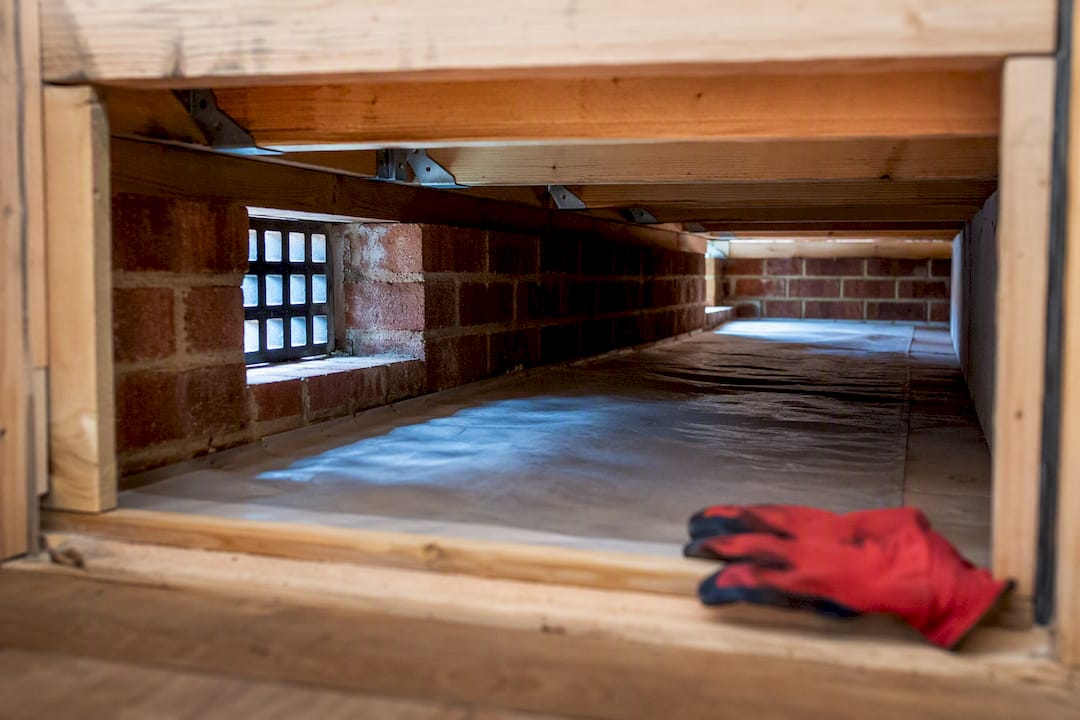
Most damp under suspended floors comes down to blocked ventilation, ground moisture rising through the void, or a leaking pipe you can’t see. Stop using the room if floorboards feel soft or bouncy underfoot, and arrange a survey before doing anything else. Clear standing water and fix any obvious leak straight away, but leave insulation and structural decisions until you know exactly what’s causing the moisture.
TL;DR:
- Blocked ventilation, rising ground moisture, or hidden leaks are common causes of damp under suspended floors, requiring careful inspection before remediation.
- Moisture meters, visual signs like tide marks, and checking joists for fungal staining help identify recurring moisture issues rather than temporary dampness.
- Ventilation standards recommend vents no more than 2 meters apart and require ground levels that do not block airflow, with fixes ranging from unblocking vents to installing mechanical fans if needed.
- Insulating a suspended floor is effective only if ventilation is confirmed adequate, as improper insulation can trap moisture and promote mold growth.
- Regular seasonal checks of vents and drainage, along with documented inspections and moisture readings, help prevent damp recurrence and support successful repairs.
Table of Contents
- What to check before calling a specialist
- How do you diagnose the cause of damp under a floor?
- Subfloor ventilation standards and how to fix a blocked void
- Should you insulate under a suspended wooden floor?
- What are the remediation options and what should a survey include?
- How do you stop damp coming back under a suspended floor?
- Why a survey-led approach matters
- Get a survey-led damp and timber inspection
- Sources
- FAQ
What to check before calling a specialist
Before booking an inspection, gather the evidence that will make diagnosis faster and cheaper. A specialist working from clear observations spends less time hunting for the cause and more time fixing it.
Walk the perimeter and check underneath if you have safe access:
- Look for pooling water, damp patches, tide marks or a musty smell, all classic signs of underfloor ventilation problems and long-term timber decay.
- Check gutters, downpipes and external drainage for blockages, and look at airbricks to see if they’re covered by soil, render, decking or a flower bed.
- Note whether the damp appears after rain or after the heating goes on. Both point to different causes.
- Take photos and a short video of any staining, standing water or sagging boards, and mark roughly where they are relative to internal walls.
- If you know where any water or waste pipes run under the floor, write that down too.
Never step onto joists that feel soft or spongy, and treat any standing water near sockets or wiring as a reason to isolate the electrics first. If there’s any chance of sewage contamination, don’t enter the void until it has been assessed.
How do you diagnose the cause of damp under a floor?
Diagnosis works best as a sequence, ruling out the most damaging causes first. Rushing straight to treatment without this step is how homeowners end up paying twice.
- Gain safe access. Use the hatch or an accessible airbrick, wear old clothing, gloves and a torch, and never enter a void with less than crawling clearance without checking for cave-ins or loose brickwork first.
- Look for standing water or wet soil. Persistent dampness in the ground, rather than just damp air, usually means groundwater or a drainage fault rather than simple condensation.
- Check joist ends and any timber touching soil or masonry. Contact between wood and wet ground is one of the most common triggers for rot, and it’s often invisible from inside the house.
- Look for tide marks and fungal staining on joists, sleeper walls and the underside of boards, which suggest a recurring rather than one-off event.
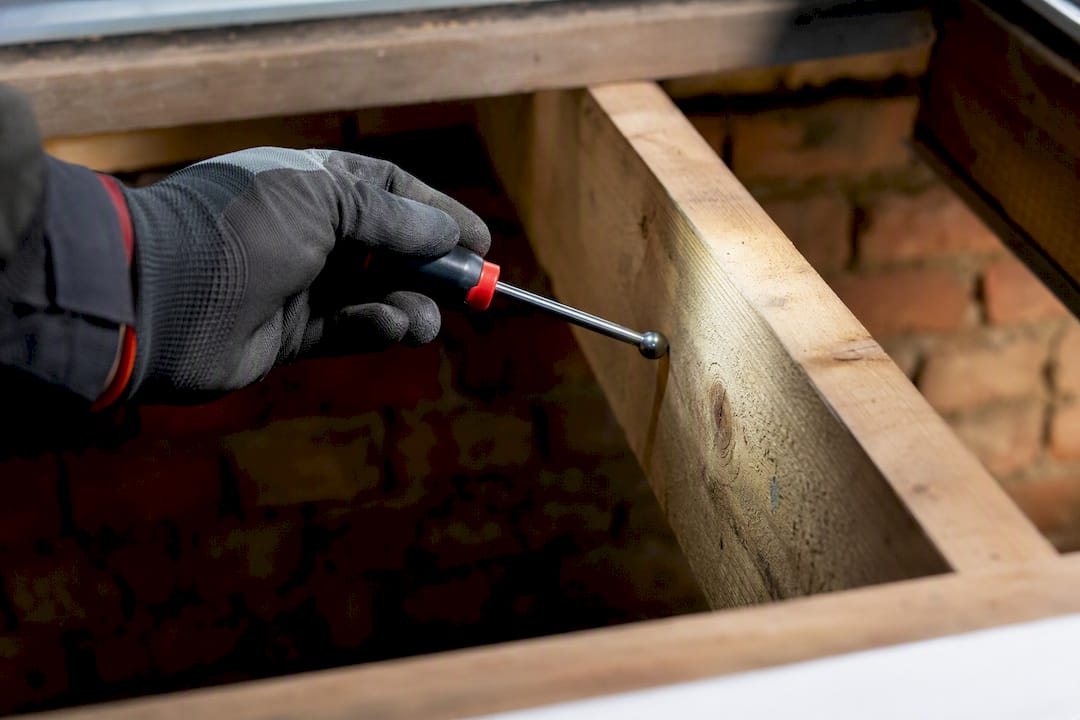
- Use a moisture meter on joists and skirting. Readings consistently above 20% in timber generally indicate active moisture rather than residual construction damp.
- Trace plumbing and drainage routes under the floor to rule out a slow leak, and check whether external ground or paving levels have risen above the airbricks.
The wider building matters here too. Diagnosing damp beneath a suspended floor properly means checking the whole site, not just the void, because drainage faults and raised ground levels outside are frequently the real source.
Pro Tip: A quick tap test along exposed joists tells you a lot. A solid, consistent sound suggests sound timber; a dull or hollow note in one section often means decay has already started there, even if the surface looks fine.
Subfloor ventilation standards and how to fix a blocked void
Ventilation failure is the single most common reason suspended floors turn damp, and it’s usually preventable. The Property Care Association’s code of practice sets a minimum open ventilation area with specified measures per metre run of wall or per square metre of floor area, whichever gives the larger figure. NHBC and building-regulation guidance adds detail on top of that: vents should generally sit no more than 2 metres apart on timber floors, and void depths typically need to be 75 to 150mm depending on construction, according to NHBC’s suspended ground floor standards. Scottish technical guidance echoes the same figures and stresses permanent ventilators on two opposite external walls to keep air moving through rather than pooling in one corner.
In practice, ventilation fails for a handful of predictable reasons:
- Airbricks blocked by render, planting, decking or debris.
- Ground or paving levels raised over time until they sit above the vent line.
- Extensions or retrofits that box in a section of void and cut off cross-flow.
Fixes range from simple to involved. Unblocking or extending existing airbricks solves most cases outright. Where an extension has cut off natural airflow, telescopic vents, stacked vents or remote ducting can carry airflow around the obstruction. Where none of that gives enough natural airflow, a specialist may fit mechanical inline fans to force air through the void. But ventilation on its own won’t stop active groundwater; where soil stays consistently wet, a damp-proof membrane over the ground is the recommended fix, because evaporation from wet soil will keep beating extra airflow every time.
Should you insulate under a suspended wooden floor?
Insulating a suspended floor can improve comfort and cut heating bills, but it changes the physics of the void in ways that catch people out. A UK monitoring study of 15 floor voids found that many exceeded humidity thresholds linked to mould growth, and that insulating suspended floors altered void conditions unpredictably in some cases, raising relative humidity around the timber rather than lowering it. Without ventilation kept intact, insulation can trap moisture against joists that used to dry out naturally.
Before insulating, get this right:
- Keep every existing vent clear and unobstructed. Never let insulation material bridge or block an airbrick.
- Consider an outboard approach, insulating below or outside the joists rather than between them, which tends to preserve airflow through the void better than packing it between joists.
- Insulate any pipework running through the void separately, since cold pipes in a warmer void are a common condensation point.
- Get a moisture and ventilation check done first. Retrofitting insulation into a void that’s already borderline damp is one of the most frequent mistakes homeowners make.
Pro Tip: If you’re not certain how well ventilated your void already is, treat that as the first question, not insulation choice. A well-ventilated void with the wrong insulation is a much smaller problem than a poorly ventilated one with the right insulation.
What are the remediation options and what should a survey include?
Repair work should follow a clear sequence: stop the moisture source, dry the space, then repair or reinstate. Skipping ahead to cosmetic fixes before the underlying cause is dealt with is the single biggest cause of recurring damp.
- Immediate measures. Remove standing water, improve airflow temporarily, and use dehumidification if the space needs to dry before further work.
- Source control. Depending on diagnosis, this might mean drainage repairs, a new damp-proof membrane over the ground, or extending ground cover to keep soil moisture away from timber.
- Timber repair. Options range from preservative treatment of sound but affected timber, through partial splicing of a decayed joist end, to full joist replacement where decay has spread. Structural input is needed wherever load-bearing timber has lost significant section.
- Reinstatement. Once the cause is controlled and timber repaired, flooring and finishes go back, ideally with a written record of what was done and why.
A credible survey report should include a moisture map showing where readings were taken, a clearly defined scope of works rather than a vague recommendation, realistic timescales, and a written guarantee on any remedial work. Drying times vary hugely depending on ventilation, weather and the extent of the problem, so treat any quoted timescale as conditional until the specialist has actually inspected the void.
How do you stop damp coming back under a suspended floor?
A short seasonal routine catches most problems before they become expensive. Check vents and drainage each autumn before the wet months, and again after any period of heavy or prolonged rain, since that’s when blocked airbricks or drainage faults show up fastest.
Keep it simple and consistent:
- Check all airbricks are clear every autumn and after storms.
- Walk the guttering and drainage line after heavy rain to catch blockages early.
- Use a basic hygrometer in the void if access allows, and keep a dated log of readings alongside photos.
- Keep records of any survey, treatment or guarantee paperwork together, since insurers and buyers often ask for this later.
- Book a reinspection if you notice a new smell, staining, or a change in floor feel underfoot.
Seasonal variation matters more than most people expect. Monitoring evidence shows a void that reads dry in summer can exceed mould-growth thresholds in warmer, humid months, so a single dry check isn’t proof the problem has gone.
Why a survey-led approach matters
Guesswork is how minor ventilation faults turn into joist replacement jobs. A survey-led approach starts with documented visual diagnosis and a defined scope before any treatment is agreed, because insulating or sealing a poorly ventilated void without checking it first can make conditions worse, not better. If floors feel soft, smell musty, or dampness keeps returning, a proper survey should come before any repair quote.
— Quay
Get a survey-led damp and timber inspection
This specialist service offers an alternative to a guess-and-fix repair job: every job starts with a documented inspection and a written scope, so you know exactly what’s wrong and what it’ll cost before any work begins. Rather than jumping straight to treatment, the process identifies whether you’re dealing with ventilation failure, ground moisture, a leak, or condensation, then sets out the fix with a written guarantee attached.

Booking starts with an inspection of the void and surrounding structure, followed by a report with a moisture map, a clear scope of works, and a quote. If the cause turns out to be active groundwater or penetrating damp, that gets flagged before any remedial work is agreed, not after. For homeowners dealing with damp that appears after rain or a full damp and timber survey, get in touch to arrange an inspection and receive a documented scope of works with guarantees attached.
Sources
- Code of practice: control of dampness in buildings (Property Care Association, Jan 2023)
- Void conditions and potential for mould growth in insulated and uninsulated suspended timber ground floors (IJBP, 2018)
FAQ
Do suspended floors cause damp?
Suspended floors don’t cause damp by themselves, but a poorly ventilated or badly maintained void makes it much easier for ground moisture and condensation to build up around the timber.
How do you get rid of water under a suspended floor?
Remove standing water and dry the void with improved airflow first, then fix the source, whether that’s a blocked drain, a leak, or insufficient ventilation, before any flooring goes back down.
Is damp coming through the floor covered by home insurance?
It depends on the cause: sudden escape of water from a pipe is often covered, while gradual damage from long-term poor ventilation or wear is typically excluded, so check your policy wording and get a documented survey to support any claim.
Should you insulate under a suspended wooden floor?
Insulation can work well, but only once ventilation is confirmed adequate; retrofitting insulation into an already poorly ventilated void has been linked to higher humidity and mould risk in monitored cases.
When should you call a specialist rather than DIY the fix?
Call a specialist if joists feel soft or bouncy, if damp keeps returning after you’ve cleared vents and drainage, or if you find standing water or fungal staining, since these point to problems beyond a simple ventilation clear-out.