
Homeowners' Survey Checklist to Beat Sash Window Condensation
Homeowners’ Survey Checklist to Beat Sash Window Condensation
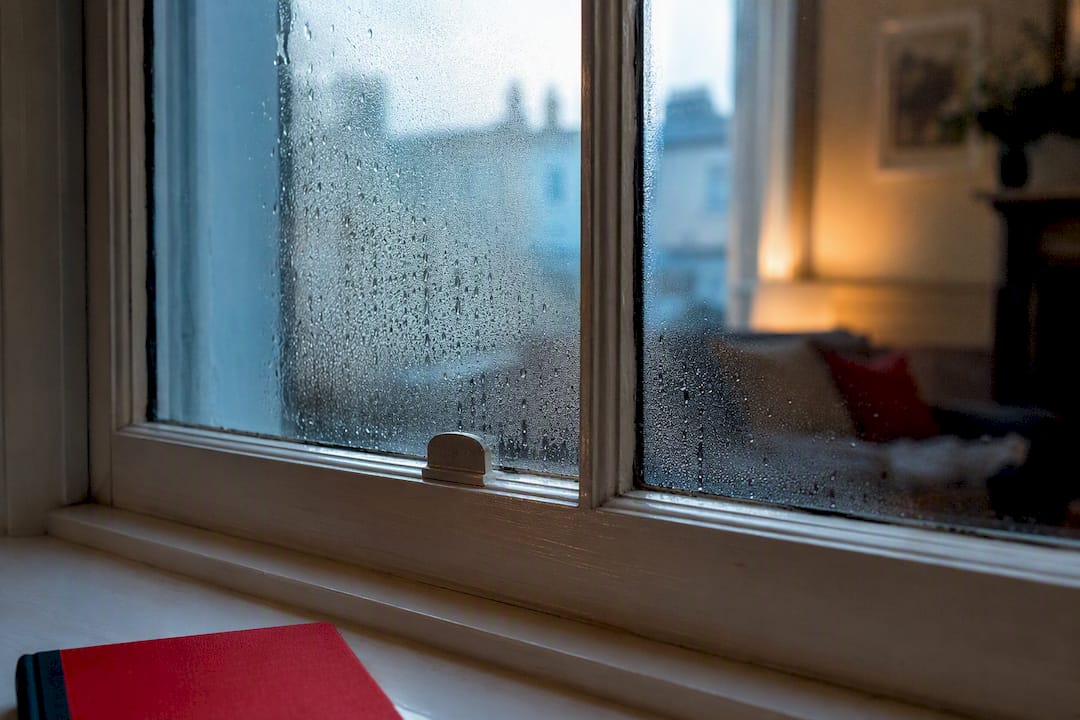
Condensation on sash windows happens when warm, moisture-laden air inside your home meets a glass surface cold enough to drop below its dew point. The single glazing common to period sashes chills fast, so it hits that threshold long before double glazing would. Your first move isn’t buying new windows: it’s cutting indoor humidity and opening up controlled ventilation. Glazing upgrades come later, once the air in your home is behaving.
TL;DR:
- Improving indoor ventilation by opening sash windows and using extractor fans reduces moisture levels before considering glazing upgrades.
- Seal or vent existing openings properly, and consider secondary glazing to minimize condensation while preserving sash window character.
- Persistent mold, soft timber, or misting between double-glazed panes signal ongoing moisture issues requiring professional survey and repair.
- Loft ventilation improvements and sealing the hatch prevent warm humid air from condensing on roof timbers and windows.
- A thorough survey report, including moisture readings and photographic evidence, is essential before any window or structural treatment is undertaken.
Table of Contents
- Why sash windows are prone to condensation
- How to judge severity and location of the problem
- Short-term fixes you can start today
- Medium-term upgrades worth considering
- When condensation means it’s time to call a professional
- Quay Point Plastering’s survey-led checklist for window condensation
- A note on preserving character versus fixing the problem
- Book a survey with Quay Point Plastering
- Sources
- FAQ
Why sash windows are prone to condensation
Water vapour in the air stays invisible until it touches something cold enough to force it back into liquid. That temperature threshold is the dew point, and single-glazed sash panes reach it easily because there’s only one thin sheet of glass separating your warm room from the cold outside. On a frosty morning, the inner pane can sit several degrees below the air temperature in the room, which is exactly why sash windows mist up before anything else in the house does.
The moisture itself usually comes from inside the building, not outside it. A typical household generates far more water vapour than most people realise, through:
- Cooking without lids on pans or without extraction
- Showering and bathing, especially with the door open
- Drying washing on radiators or clothes horses indoors
- Simply breathing and sweating overnight in a closed bedroom
Loft leakage complicates the picture further. If bathroom or kitchen extractor ducting discharges into the loft space rather than outside, that warm moist air condenses on cold roof timbers and can travel back down through gaps around loft hatches and ceiling penetrations, adding to the moisture load the whole house is carrying, including what lands on your windows.
How to judge severity and location of the problem
Condensation on the room-facing surface of the glass is the least worrying version. Wipe it away each morning and you’re managing normal indoor humidity, not a structural fault.
Misting or a hazy film trapped between the panes of a double-glazed sash unit is different. That signals a failed seal, and no amount of ventilation will fix it. Watch, too, for these warning signs of longer-term moisture damage:
- Soft, spongy putty or timber around the sash box or sill
- Flaking or bubbling paint that keeps returning after redecoration
- Black speckling on frames, reveals or the wall beneath the sill
- Damp patches or drips at the loft hatch or nearby ceiling, which point to a whole-house moisture issue rather than a window-specific one
Short-term fixes you can start today
You don’t need tools or a tradesperson to make an immediate difference. Start with ventilation, because improving airflow reduces indoor humidity more reliably than almost anything else you can do this week.
- Open the top sash a few inches for short, regular bursts, particularly first thing in the morning. This lets warm, wet air escape before it settles on the glass.
- Check trickle vents aren’t painted shut or blocked with dust, and open them where fitted.
- Run extractor fans in the kitchen and bathroom every time you cook or shower, and confirm they vent outside rather than into the loft.
- Use a dehumidifier in badly affected rooms during winter, especially bedrooms with poor airflow.
- Move furniture and curtains away from radiators so warm air can circulate properly across the glass rather than pooling behind fabric.
Heating the room without addressing ventilation only gets you so far, because warm air holds more moisture, and if that moisture has nowhere to escape, it simply waits for the coldest surface in the room to condense on.
Pro Tip: Dry washing outdoors or in a well-ventilated space whenever you can. A single load of wet laundry drying indoors can release several litres of water vapour into the air, and that has to go somewhere.

Medium-term upgrades worth considering
Draught-proofing a sash window reduces uncontrolled air leakage around the meeting rails and sash box, which cuts heat loss and lowers energy bills. It doesn’t remove moisture from the house, though. If you seal draughts without improving ventilation elsewhere, humid air that used to escape through those gaps has to find another route, and it can reappear as condensation on the glass or on a colder wall nearby.
For period sashes, secondary glazing is usually the preferred fix. It adds an inner pane a short distance from the original, creating an air gap that acts as a thermal buffer and keeps the primary glass closer to room temperature. This tends to cut condensation noticeably while leaving the original sash and its character untouched from outside. Full double glazing or sealed-unit replacement makes more sense when the existing frames are already failing structurally, or where thermal performance across the whole house is a priority that outweighs conservation concerns. Retrofit guidance on sash compatibility stresses checking sash weight and joinery before adding glazing, because added weight or a poor seal can cause operational problems or trap condensation within the cavity itself.
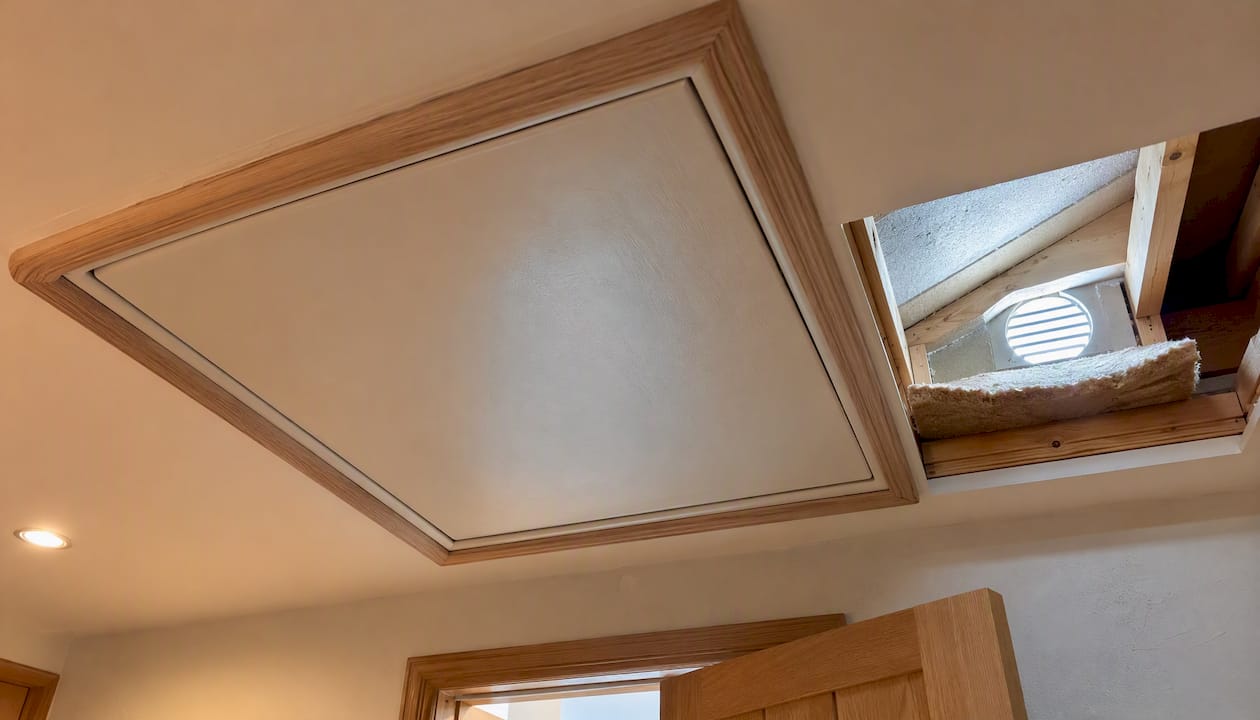
Don’t overlook the loft hatch. Combining continuous airflow from eaves to ridge with airtightness at ceiling level, including a well-sealed, insulated loft hatch cover, stops warm moist air escaping upward and condensing on cold roof timbers, provided the eaves themselves stay clear and ventilated.
When condensation means it’s time to call a professional
Persistent mould that returns within days of cleaning, timber that feels soft or spongy to the touch, or misting trapped between panes are all signs ventilation alone won’t solve. A recurring damp patch that shifts location or intensity with the seasons is another red flag worth acting on before it spreads into structural timber.
A proper survey should give you more than a guess. Look for:
- Moisture readings taken at multiple points, not just where the problem is visible
- A physical inspection of frame and sill timber for softness or rot
- Tracing of the moisture source, including checking where extractor ducting actually discharges
- Photographic evidence and a written scope of recommended work, not a verbal quote
A competent contractor should be able to explain exactly why they’re recommending a given remedy, whether that’s re-glazing, timber repair, or improved ventilation, and back that recommendation with a written guarantee.
Quay Point Plastering’s survey-led checklist for window condensation
Before recommending any treatment, a thorough survey should walk through the same steps every time, in this order:
- Visual inspection of glazing, frames, sills and surrounding plaster or masonry
- Moisture readings taken across affected and unaffected areas for comparison
- A check of where extractor fan ducting terminates
- Inspection of the loft hatch, seals and eaves ventilation
- Assessment of timber condition for early signs of rot or woodworm
A written report should follow, setting out findings, photographs, and a clearly defined scope of work rather than a one-line recommendation. Reasonable timescales and a written guarantee on any remedial work are what separate a lasting fix from a quick patch.
Pro Tip: Ask for dated photographs at each stage of a survey. They give you a record to compare against if the same symptoms reappear months later.
A note on preserving character versus fixing the problem
Original sashes are usually worth keeping. Secondary glazing and targeted sealing solve most condensation problems without the cost or disruption of replacement, and a survey-first approach stops you from simply moving damp somewhere else in the house.
— Quay
Book a survey with Quay Point Plastering
This service is an alternative to guesswork fixes for homeowners dealing with stubborn sash window condensation: every job starts with a survey, not a sales pitch. Clients receive moisture readings, photographic evidence and a written scope of work before any treatment is proposed, so they know what to expect.

That survey-led approach covers everything from condensation and mould treatment to timber repair where prolonged moisture has caused rot, plus insulation work for loft hatches and cold spots that keep feeding the problem back into your rooms. If draught-proofing or secondary glazing has left you wondering whether the real issue is elsewhere in the house, our damp and timber survey will tell you, in writing, with photos attached. Consider booking an inspection or requesting a quotation to find out what’s causing the problem before spending money guessing.
Sources
For more detail on the mechanics behind these fixes, the Energy Saving Trust’s ventilation guidance covers extractor fans and airing in more depth, while the SCCAN retrofit guide is a solid reference for anyone considering secondary glazing on period sashes. Homebuilding’s piece on loft ventilation is worth reading if your condensation seems tied to loft or ceiling symptoms.
- Energy Saving Trust — ventilation advice
- Retrofitting historic sash and case windows: quick-start guide for homeowners (SCCAN)
- KJM Group — will secondary glazing stop condensation on sash windows?
- Damp & Mould Solutions — how to stop condensation in your loft
FAQ
Does condensation on windows mean the house is too cold?
Not necessarily. Condensation forms when warm, humid air meets a cold surface, so it’s often more about excess moisture indoors than insufficient heat. Reducing humidity through ventilation usually makes more difference than turning the heating up.
Do sash windows have trickle vents?
Original period sashes rarely came with trickle vents fitted, since building regulations requiring them are relatively recent. Where they’ve been retrofitted, check they aren’t painted over or blocked with debris, as a blocked vent gives you no ventilation benefit at all.
Can you put washing up liquid on windows to stop condensation?
A thin smear of washing up liquid can temporarily reduce misting by altering how water beads on the glass, but it does nothing to address the underlying humidity problem. It’s a short-lived cosmetic trick, not a fix, and reducing indoor moisture through ventilation works far better long-term.
Does condensation on windows mean they need to be replaced?
Surface condensation on single glazing is normal and doesn’t mean the window has failed. Misting trapped between panes of a double-glazed unit, however, does indicate a failed seal, and that’s a genuine sign the unit needs attention, whether through repair, secondary glazing, or replacement depending on the survey findings.