
Damp Proofing Guarantees Conveyancers Trust: 10, 20 or 30 Year Cover
Damp Proofing Guarantees Conveyancers Trust: 10, 20 or 30 Year Cover
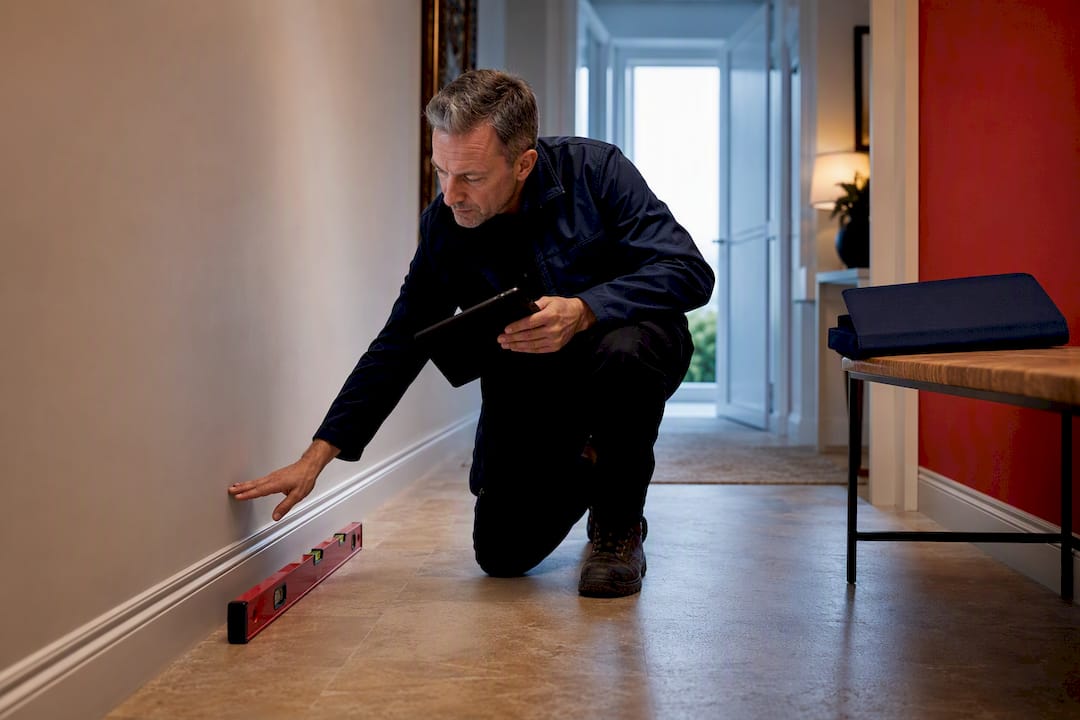
A damp proofing guarantee is the contractor’s written promise to put right specified problems, and in practice, an insurance-backed guarantee (IBG) is what actually protects you if that contractor later ceases trading. You don’t strictly need a certificate to sell a house, but solicitors and lenders will usually ask for one. If it’s missing or expired, the quickest fix is indemnity insurance or a fresh survey.
TL;DR:
- Insurance-backed guarantees are essential for protecting against contractor insolvency, especially for treatment periods exceeding 10 years.
- Confirm that the guarantee covers specific walls, matches the property address, and is underwritten by a regulated insurer to ensure validity.
- Solicitors and lenders scrutinize guarantee details such as policy number, scope, and whether it transfers to new owners, which can affect the sale timeline.
- Guarantees often only cover re-treatment and faulty workmanship, excluding new leaks unrelated to the original diagnosis or problems caused by unauthorized alterations.
- Missing or expired guarantees can be addressed via reissue, fresh survey, indemnity insurance, or new treatment, with surveys providing the most reliable current assessment.
Table of Contents
- What is a damp proofing guarantee and an insurance-backed guarantee?
- Why do solicitors and lenders ask for damp guarantees?
- What do damp proofing guarantees actually cover?
- Missing, lost or expired guarantees: your practical options
- How to verify a guarantee and what paperwork to gather
- Survey-led perspective: what actually makes a guarantee useful
- When to accept the paperwork and when to push for more
- Book a survey or get your guarantee paperwork sorted
- Sources
What is a damp proofing guarantee and an insurance-backed guarantee?
A workmanship guarantee is the contractor’s own promise: if the treatment fails within the stated term, they’ll return and fix it. It’s only as good as the company standing behind it, which is the weak point most homeowners overlook.
An insurance-backed guarantee underwrites that promise. It doesn’t pay out for ordinary disputes while the contractor is still trading. It exists for one specific scenario: the installer has gone bust or vanished, and someone still needs the work honoured.
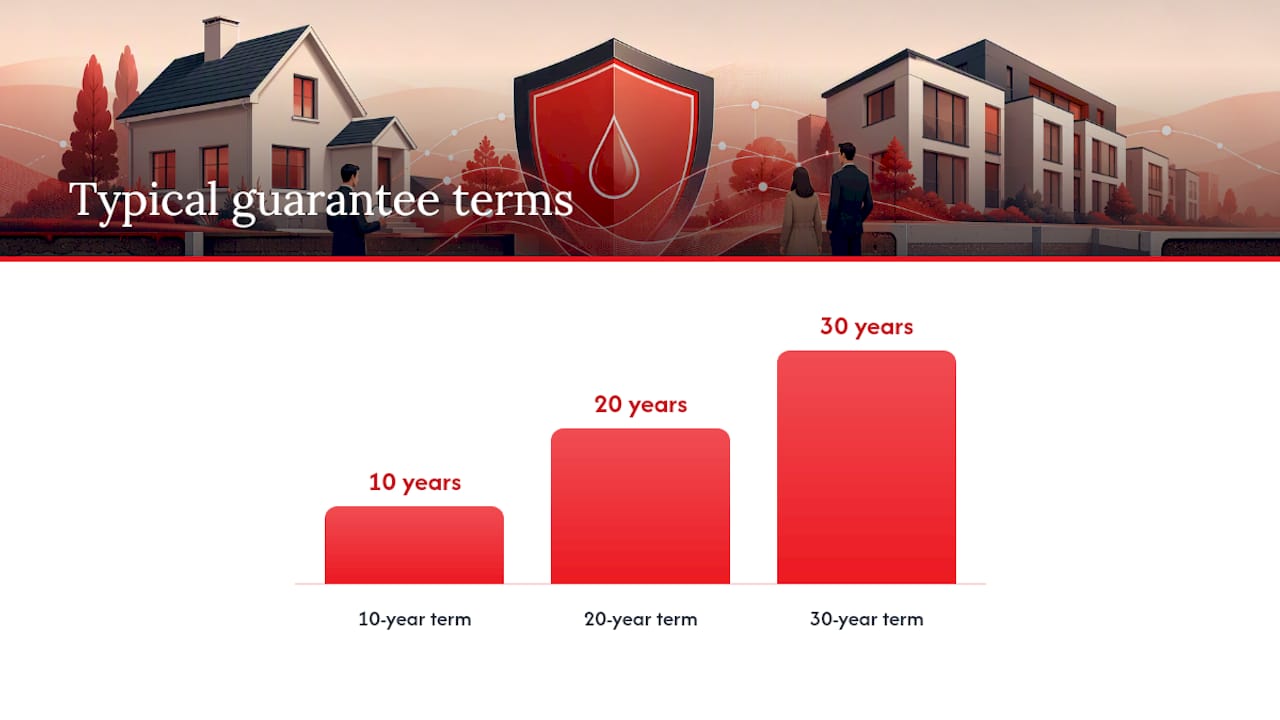
Guarantee terms typically run 10, 20 or 30 years, particularly from contractors registered with the Property Care Association (PCA). The length is really a matter of how long the insurer agrees to stand behind the work, not a promise the wall will never see damp again.
Before accepting any certificate, check for:
- PCA membership of the installer, or an equivalent recognised trade body
- A named FCA-regulated insurer underwriting the IBG, not just the contractor’s own letterhead
- A specific address and scope of work, not a generic template
- A stated claims process, including who to contact if the installer disappears
Why do solicitors and lenders ask for damp guarantees?
Conveyancers ask for damp proofing paperwork because it answers a question they can’t otherwise verify: was the problem actually fixed, and is that fix still backed by someone solvent? Indemnity insurance is often the standard fallback when a certificate can’t be produced, and it’s arranged through the solicitor rather than the homeowner directly.
What conveyancers and lenders typically check:
- The insurer’s name and policy number, not just the contractor’s
- Whether the guarantee transfers automatically to a new owner
- Whether the address and treated areas match the property being sold
- Whether the term is still active, or has quietly lapsed
Missing paperwork rarely kills a sale outright, but it stalls it. A buyer’s solicitor raising a query about an absent DPC certificate can add weeks to an exchange, and some buyers use it as leverage to renegotiate price. An IBG usually satisfies a lender’s requirements on its own, but lenders can still ask for further evidence if the property has a history of repeat damp issues or the guarantee’s scope looks vague.
What do damp proofing guarantees actually cover?
Most guarantees are narrower than homeowners assume, and reading the small print before you rely on one saves a lot of disappointment later.
- What’s usually covered. Re-treatment of the specified walls if the original method fails, replastering where salt contamination is directly linked to the treated damp, and correction of faulty workmanship or defective materials.
- What’s usually excluded. New leaks unrelated to the original diagnosis, condensation (a different mechanism entirely from rising or penetrating damp), damp bridging in from an area outside the original scope, and any damage following unauthorised building alterations.
- Maintenance obligations. Many guarantees require the homeowner to maintain ventilation, external ground levels, or render, and voids the policy if that upkeep is neglected.
- Transfer windows. Some certificates require formal notification within a set period after a sale, or the guarantee lapses silently.
- Approved trades only. Using a different contractor for related repair work can invalidate cover, even where the original diagnosis was sound.
A guarantee that covers a treated wall for rising damp won’t touch a new penetrating damp issue appearing on the other side of the same room, which is a distinction that catches people out constantly.
Missing, lost or expired guarantees: your practical options
Lost paperwork isn’t the crisis it feels like at exchange of contracts. It’s a solved problem with a few standard routes, and the right one depends on budget and timescale.
- Request a reissue. Contact the original installer directly. Reputable firms keep records and can often reissue a duplicate certificate, though this depends on the company still trading and having your file on hand.
- Commission a specialist survey. A fresh damp survey confirms current condition and gives a buyer or solicitor something concrete to work from, independent of old paperwork.
- Arrange indemnity insurance. This is the standard conveyancing fix. Cost typically sits between £50 and £200 as a one-off premium, arranged through the solicitor, and it transfers with the property.
- Commission fresh remedial work. Where the original guarantee has genuinely expired or the treatment looks tired, new work with a new IBG resets the clock rather than patching over an old, unreliable certificate.
Pro Tip: Don’t default to indemnity insurance just because it’s cheap. It insures against a legal claim arising from the missing paperwork; it doesn’t confirm the property is actually dry. If you’re buying, a survey tells you something indemnity insurance never will.
How to verify a guarantee and what paperwork to gather
Before you rely on any certificate, or hand one to a solicitor, check it actually says what you think it says. A short checklist covers most of what conveyancers and lenders ask for:
- The original guarantee certificate, showing insured party, property address, and treated areas
- The IBG policy schedule, naming the underwriting insurer separately from the installer
- The original contractor’s invoice, matching the scope described on the certificate
- Any survey report or signed specification that the work was based on
- Photographic evidence of the completed treatment, where available
- Proof of the original contractor’s insolvency, if you’re making an IBG claim rather than approaching them directly
Read the certificate itself for five fields: who’s insured, the exact address, the scope of work, the underwriting insurer’s name, and the claims procedure. If any of those five are vague or missing, treat the document with caution regardless of the headline term. Reissuing a lost certificate can take a few weeks if the installer is cooperative; indemnity insurance is usually arranged within days.
Survey-led perspective: what actually makes a guarantee useful
A guarantee is only as reliable as the diagnosis behind it. That’s the part most certificates never show you, and it’s the part that decides whether a claim succeeds or gets contested.
At Quay Point Plastering, every job starts with a visual inspection and documented findings before any treatment is proposed, not after. That sequence matters because a guarantee tied to the wrong diagnosis (treating rising damp when the real cause is penetrating damp after rain) is worthless the moment the real problem resurfaces somewhere else.
| What a certificate shows | What it actually needs behind it |
|---|---|
| A term of 10, 20 or 30 years | An insurer that will still exist to honour it |
| “Treatment applied” | A documented scope specifying which walls, which method, which cause |
| A signature | A survey report the claim can be measured against |
| An address | Confirmation the treated area matches what’s being sold |
A pre-sale damp health check, done well before a buyer’s surveyor flags an issue, gives sellers a documented position to hand a solicitor rather than a scramble for old paperwork at exchange.
- Documented findings, not assumptions, before any quote is given
- A defined scope of work matched to the actual diagnosis
- A written workmanship guarantee alongside aftercare guidance
- A local track record across Dorset, Hampshire and Wiltshire spanning over 35 years
When to accept the paperwork and when to push for more
If you’re a buyer and the seller produces a certificate, don’t stop there. Check who underwrites it. An installer guarantee with no IBG behind it is a promise from a company you’ve never met, and most actionable claims surface in the first decade anyway, so a 30-year term means little without insurance backing it for that whole span.
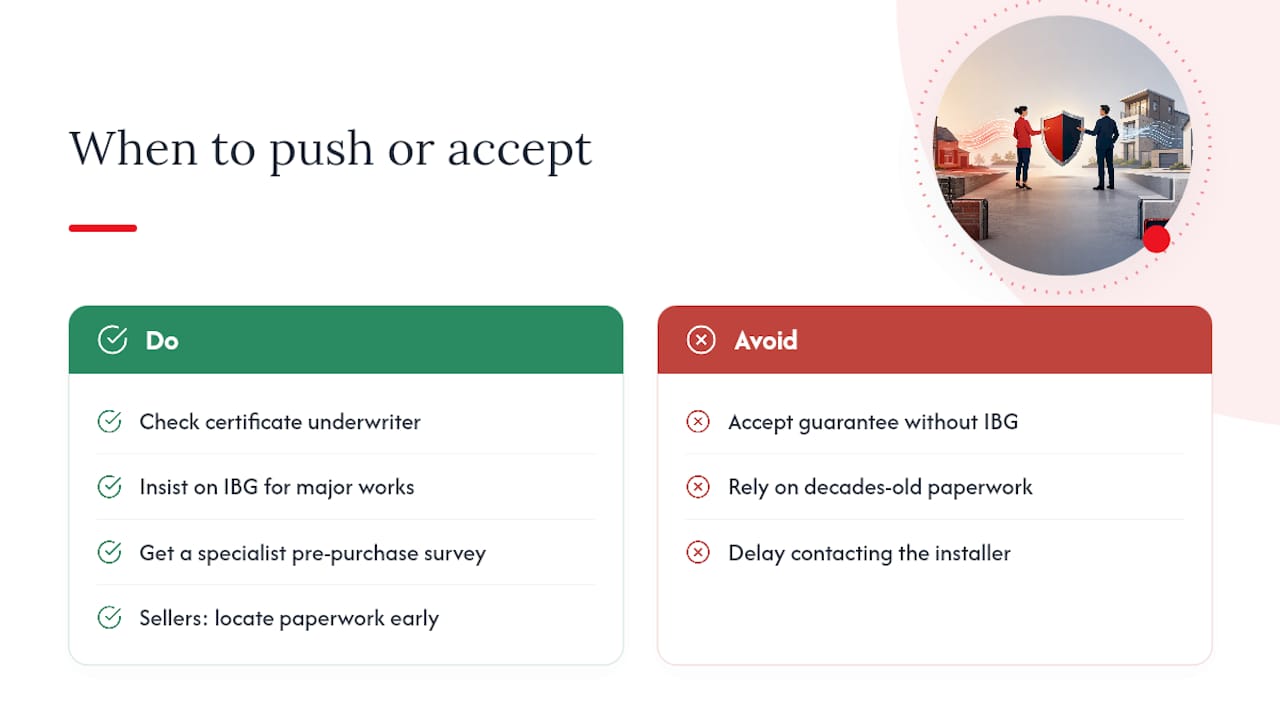
Insist on an IBG when the works were extensive, when your lender requires it, or when the property has a documented history of repeat damp. For anything less clear-cut, a specialist pre-purchase survey often tells you more than chasing down decades-old paperwork ever will.
If you’re selling: locate your paperwork now, contact the original installer before your solicitor asks, and get a survey booked the moment you suspect a gap. Three small actions, done early, prevent most conveyancing delays.
— Quay
Book a survey or get your guarantee paperwork sorted
If your certificate has gone missing, your installer has vanished, or you’re buying a property with damp history and no clear paperwork trail, that’s exactly the gap a proper survey closes. Quay Point Plastering is the direct route to a conveyancing-ready report, not a generic quote. We diagnose first, document everything, and issue a written workmanship guarantee only once the scope is confirmed, rather than selling treatment before we know what’s actually wrong.
Our pre-purchase damp survey gives buyers and sellers across Dorset, Hampshire and Wiltshire a documented position ahead of exchange, and where treatment is genuinely needed, we can arrange penetrating damp repairs or damp re-plastering backed by a written guarantee from the outset. If you’re dealing with a lapsed certificate or a solicitor’s query, get in touch and we’ll talk you through what a survey can confirm before you spend anything on indemnity cover.
Sources
- Damp proof certificate: what is it and when you might need one | Property Rescue
- DPC guarantee: what sellers need | Propelr
- Insurance Backed Guarantees (IBG’s) - Advantage Insurance