
Condensation treatment cost UK: what to budget for in 2026
Condensation treatment cost UK: what to budget for in 2026
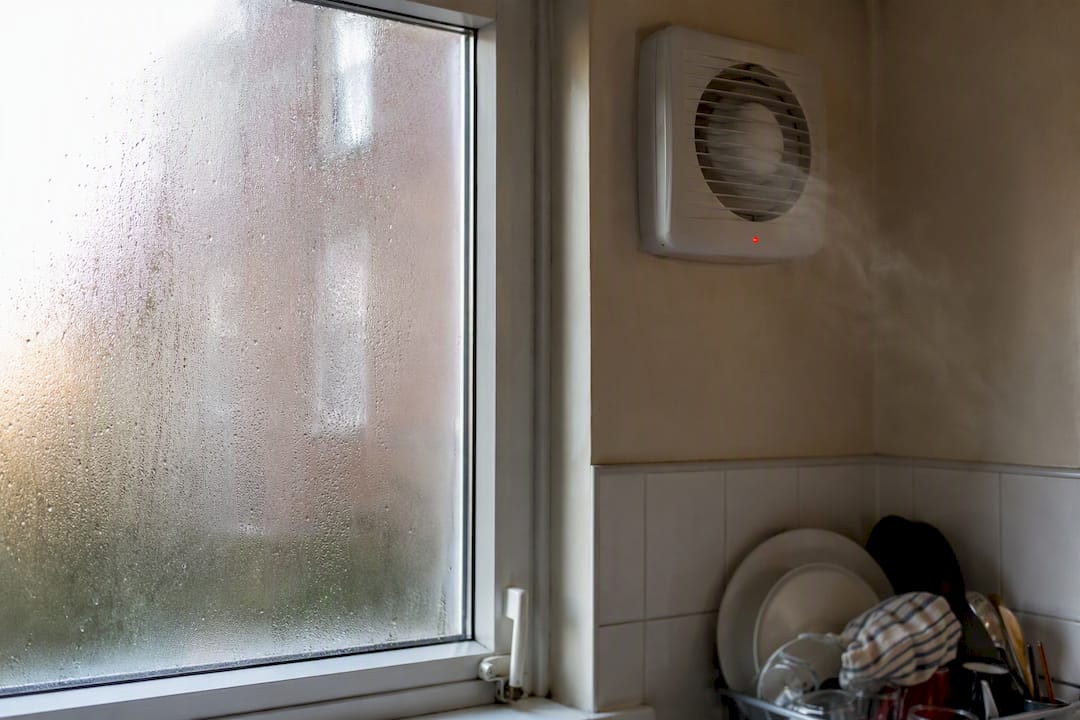
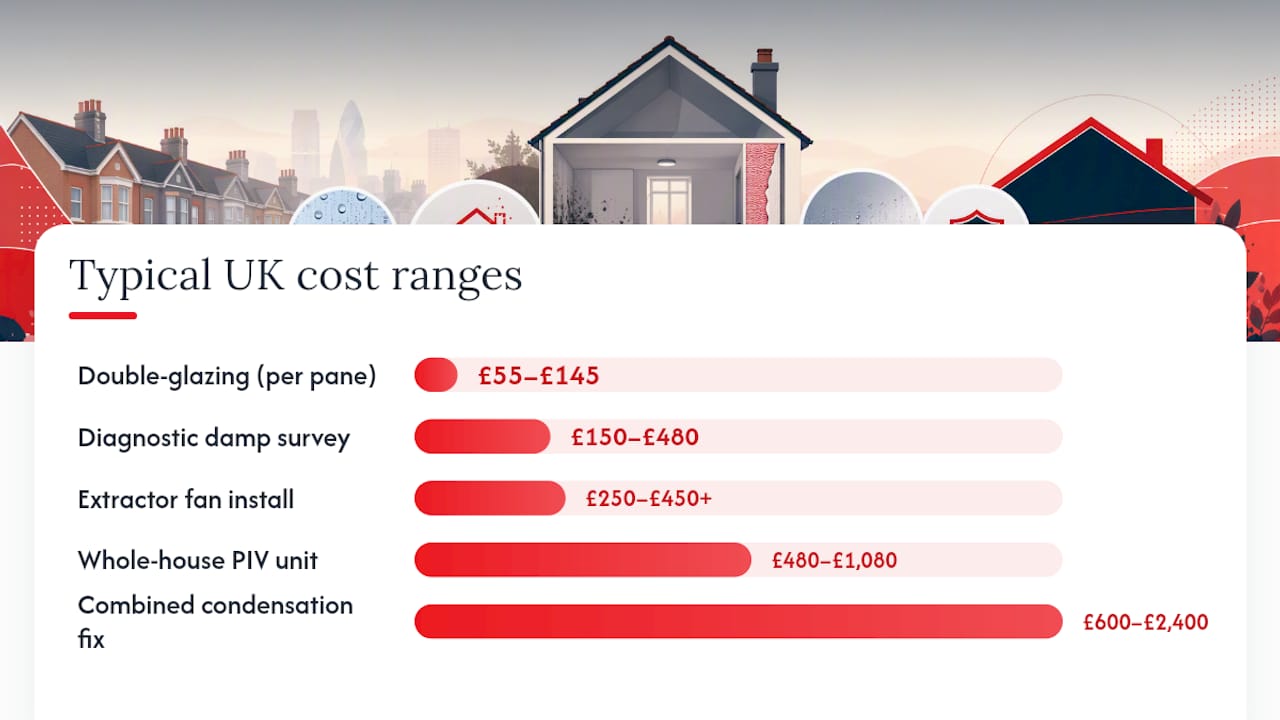
Most condensation-focused treatments in the UK cost within a wide range, reflecting factors such as whether you need a single extractor fan or a whole-house positive input ventilation (PIV) system. A diagnostic damp survey, typically £150–£480, is the recommended first step because it tells you which fix actually solves your problem before you spend on the wrong one.
Here is where the money usually goes:
- Extractor fan (supply and fit): £96–£300, rising to £450+ for new ducting runs
- Sealed-unit window repair (per pane): £55–£145
- Dehumidifier (domestic unit): £80–£250 to buy outright
- Whole-house PIV system installed: £480–£1,080
- Condensation and ventilation fix, combined: £600–£2,400
Pro Tip: Don’t skip the diagnosis stage. A large share of UK damp calls turn out to be condensation rather than rising or penetrating damp, yet plenty of homeowners pay for chemical damp-proof courses or tanking that never needed to happen. Get the room’s moisture source confirmed first.
Key Takeaways
Condensation treatment in the UK typically costs £150 to £2,400 depending on scope, and a diagnostic survey before treatment prevents the most common cause of wasted spend: misdiagnosis.
| Point | Details |
|---|---|
| Get a survey first | A £150–£480 diagnostic survey confirms condensation over rising or penetrating damp before you spend on treatment. |
| Match the fix to the scope | A single fan suits one room; multi-room condensation usually needs a £480–£1,080 PIV system instead. |
| Insist on itemised quotes | Ask for survey, labour, materials, and making-good costs listed separately, not bundled into one figure. |
| Expect regional uplift | London and the South East typically run 20 to 30% above national average labour rates. |
| Choose survey-led diagnosis | Quaypointplastering diagnoses the cause first across Dorset, Hampshire, and Wiltshire, then issues a written, guaranteed quote. |
Table of Contents
- Condensation treatment cost at a glance
- What each condensation treatment involves
- Detailed cost breakdown: what’s in a typical quote
- What changes the price you’re quoted
- What a diagnostic damp survey actually costs
- DIY fixes versus calling in a specialist
- How to get accurate, comparable quotes
- Quay Point Plastering’s survey-led approach to condensation
- Get your condensation problem diagnosed and quoted properly
- Frequently asked questions
- Sources
Condensation treatment cost at a glance
Prices vary by job type, region, and how much disruption the work causes. This table pulls together the most commonly quoted UK ranges so you can see roughly where your project sits before you call anyone out.
| Treatment | Typical UK cost range |
|---|---|
| Extractor fan, like-for-like swap | £80–£200 |
| Extractor fan, new install with ducting | £250–£450+ |
| Sealed double-glazing unit replacement (per pane) | £55–£145 |
| Whole-house PIV unit installed | £480–£1,080 |
| Domestic dehumidifier | £80–£250 |
| Diagnostic damp survey | £150–£480 |
| Condensation and ventilation fix (combined) | £600–£2,400 |
Homeowners in London and the South East commonly face higher quotes compared to national averages, reflecting regional cost differences. One Costwise pricing analysis puts a typical fan install nationally at around £180 supplied and fitted, against roughly £230 in London for the same job. VAT at 20% usually applies on labour and materials unless the property qualifies for a reduced rate, which is rare for condensation work specifically.
Two quick examples show how the ranges play out in practice. A steamy bathroom with no working extraction might need just a new inline fan and a mould wipe-down, landing around £250–£450 all in. A three-bed semi with condensation on every north-facing window and patchy black mould in bedrooms could need a full PIV unit plus minor plaster repairs, pushing the job closer to £1,500–£2,200.
What each condensation treatment involves
Not every damp problem needs the same fix, and understanding what you’re actually paying for helps you spot an overpriced or under-scoped quote.
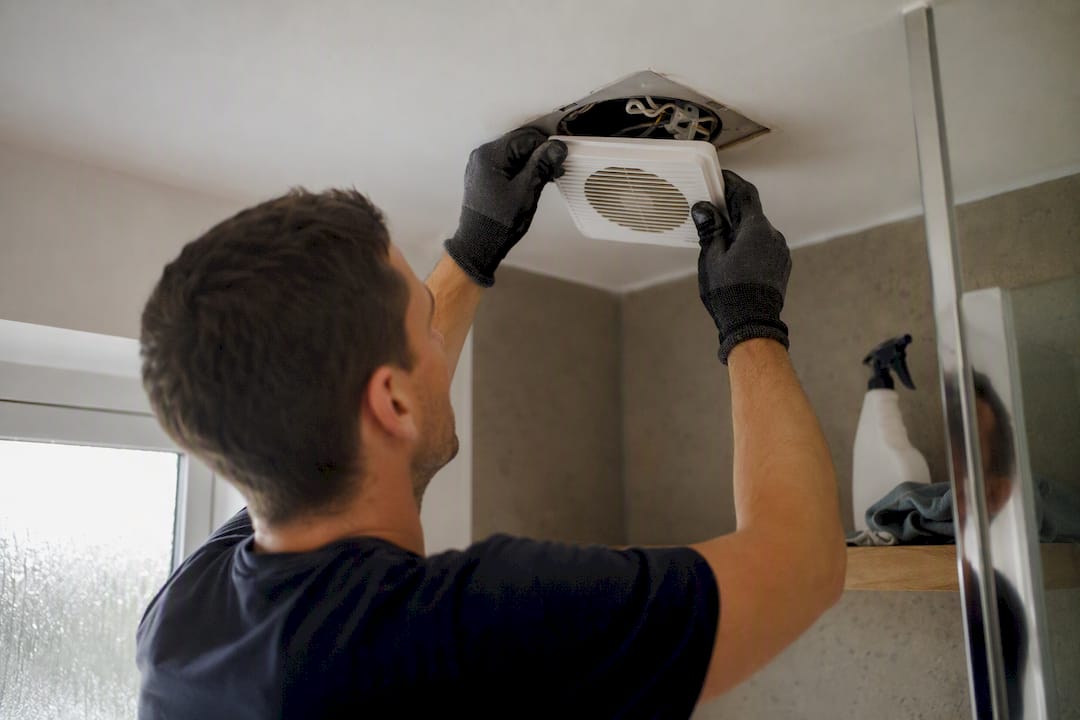
- Axial extractor fans sit directly in an external wall or window and suit bathrooms and kitchens with a short, straight route outside. They’re the cheapest option but lose pressure over longer duct runs.
- Inline fans sit within the ductwork itself, often in a loft space, and handle longer or bent duct runs far better than axial units. Installers tend to favour them whenever the extraction point is more than a metre or two from the outside wall, because axial fans lack the pressure for effective long-run extraction.
- Trickle vents are the small slotted openings built into window frames. Cleaning or unblocking them costs almost nothing and is often the first thing an installer checks.
- PIV systems push filtered outside air into the loft or hallway, gently pressurising the whole house so damp air is displaced rather than trapped. This suits homes with condensation across multiple rooms rather than one isolated problem area.
- Dehumidifiers are a portable, non-invasive option. They don’t fix the root cause, but they buy time in rented properties or while you wait for permanent work.
- Sealed-unit window repair or replacement addresses condensation trapped between panes of double glazing, which is a sign of a failed seal rather than room humidity.
- Mould cleaning and biocide treatment removes existing growth and prevents immediate regrowth, but only works long-term alongside a ventilation fix.
| Fix | Typical lifespan / guarantee | Best suited to |
|---|---|---|
| Extractor fan | often 1–2 year workmanship guarantee | Single wet room with poor airflow |
| PIV system | manufacturer warranty usually 2–5 years | Multiple rooms, whole-house symptoms |
| Sealed-unit reseal | 2–5 years | Budget fix on an ageing window |
| New sealed unit | manufacturer warranty usually 2–5 years | Long-term fix, better thermal performance |
| Dehumidifier | Varies by use, no structural guarantee | Short-term or rental situations |
A Checkatrade sealed-unit repair guide notes that resealing is cheaper upfront but rarely lasts as long as a new unit, so weigh the price gap against how soon you’d need to redo the work.
Detailed cost breakdown: what’s in a typical quote
An itemised quote should separate at least four things: the diagnostic survey, labour, materials, and any making-good or replastering. If a quote arrives as one lump figure with no breakdown, ask for it to be split before you sign anything.
- Diagnostic survey: £150–£480, priced by property size rather than the type of damp suspected
- Labour: £45–£70 per hour for ventilation work, more in London and the South East, per Checkatrade’s extractor fan cost guide
- Materials: fan units, ducting, PIV hardware, or replacement glazing units, priced separately from fitting time
- Making-good and replastering: often quoted separately and sometimes left out entirely unless you ask
- Access or call-out premiums: scaffolding, loft boarding, or awkward routing can add £100–£300
Three worked examples show how these line items stack up in practice.
A single-room extractor fan replacement with a mould clean typically runs £250–£550: roughly £80–£200 for the fan swap itself, £100–£200 for the mould treatment, and the rest in labour if access is straightforward.
A misted sealed-unit replacement across a three-bed semi, where several windows have failed at once, usually costs £1,400–£2,500 in total, based on typical per-pane pricing of £55–£145 multiplied across however many units have blown. Glazing specialists generally recommend replacing just the sealed unit rather than the whole window when the frame itself is sound, which keeps costs well below a full window replacement.
A whole-house PIV install with minor plaster repairs after mould removal tends to land around £1,200–£2,000, covering the unit itself (£480–£1,080), fitting, and an hour or two of making-good in the worst-affected room.
Watch for quotes priced per metre, which is common with chemical damp-proof course work rather than condensation fixes. If a company quotes a DPC injection at £40–£90 per linear metre for a problem you suspect is condensation, that’s a strong signal you need a second opinion before committing.
What changes the price you’re quoted
Two houses with near-identical symptoms can attract very different quotes, and it’s rarely random.
- Diagnostic certainty drives everything else. A confirmed condensation problem is cheaper to fix than an ambiguous one where the installer has to guess and build in contingency.
- Job scope matters more than most homeowners expect. A single bathroom fan is a half-day job; a whole-house PIV retrofit with loft access issues can take two full days.
- Access and complexity add cost fast. Listed buildings, solid stone walls, or loft spaces with poor headroom all push labour time up.
- Replastering or structural repair is frequently quoted separately, and sometimes not quoted at all until the installer opens up the wall.
- Region shifts labour rates noticeably, with London and the South East commonly running 20 to 30% above the national average.
Be wary of any tradesperson offering a flat, blanket price without having seen the property or asked about symptoms. A genuine quote reflects what’s actually wrong, not a generic package price. Ask specifically about guarantee length: a workmanship guarantee under 12 months on ventilation work is worth questioning, while an insurance-backed guarantee on structural or replastering work offers protection even if the original company later stops trading.
Pro Tip: If two quotes for the same job differ by more than 30%, ask both companies exactly what’s included in making-good. That’s almost always where the gap hides.
What a diagnostic damp survey actually costs
A proper diagnostic survey usually costs within a typical price band, with pricing often reflecting property size rather than the suspected damp type. That price should buy you evidence, not guesswork.
A credible survey report should include:
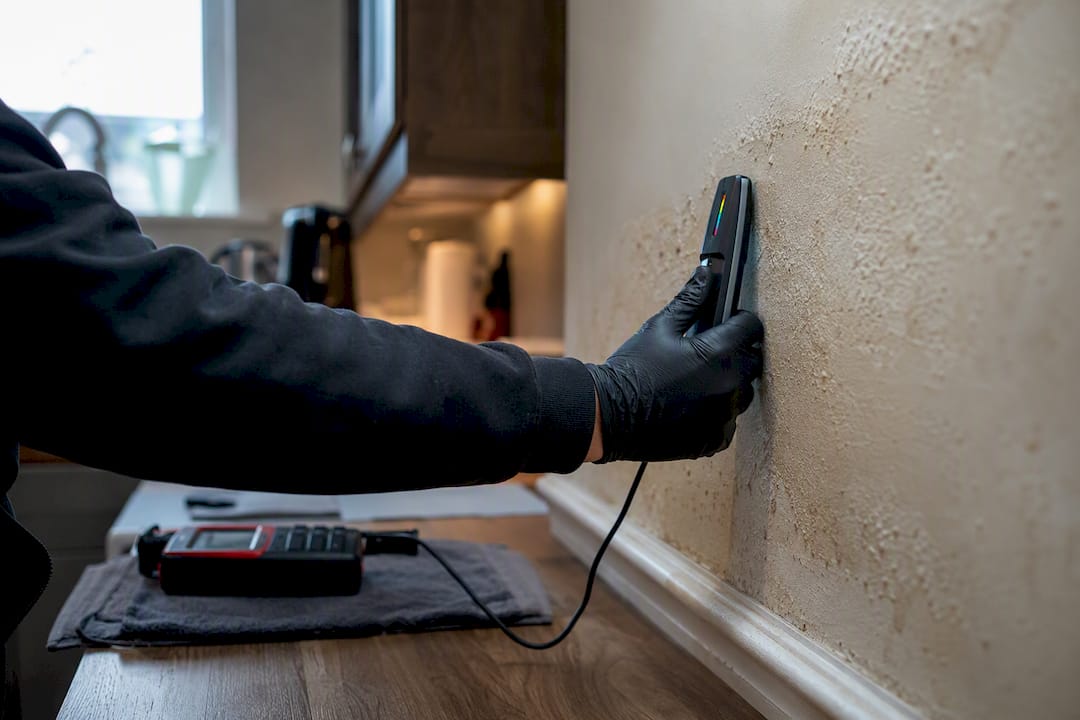
- Humidity and hygrometer readings taken in the affected rooms
- Photographic evidence of the affected areas and any visible mould or water staining
- Thermal imaging where cold spots or hidden moisture pathways are suspected
- A clear written diagnosis stating whether the cause is condensation, rising damp, or penetrating damp
- A defined, itemised scope of recommended work
When booking, ask these questions:
- Is the survey independent of the remedial work, or does the same company do both?
- Will I receive a written report with readings and photos, not just a verbal opinion?
- Does the quote that follows separate diagnosis from treatment costs?
Pro Tip: Where possible, use a surveyor whose fee doesn’t depend on selling you the subsequent treatment. An independent survey removes any incentive to overstate the problem.
DIY fixes versus calling in a specialist
Some condensation problems genuinely respond to free or low-cost changes. Ventilate the bathroom during and after showers, avoid drying laundry on radiators indoors, and check that trickle vents in window frames haven’t been painted shut. Swapping a tired extractor fan for a new like-for-like unit is well within reach for a competent DIYer, and resealing a single misted window pane is a manageable weekend job for some.
Call a professional when mould keeps returning despite these changes, when you suspect rising or penetrating damp rather than condensation, or when more than one room is affected. Widespread staining, a musty smell that won’t shift, or damp patches that appear regardless of ventilation habits usually point to a moisture pathway you can’t see from the surface.
Never attempt electrical work on extractor fan wiring yourself unless you’re competent and it’s within Part P rules. A documented, itemised professional quote also protects you if the problem returns, since you’ll have a clear record of what was actually done.
How to get accurate, comparable quotes
Getting three quotes only helps if they’re pricing the same job. Ask each company the same set of questions and insist on written answers.
- What diagnostic evidence supports your recommended treatment?
- Can you itemise the quote: survey, labour, materials, making-good, and any exclusions?
- Who carries out electrical work, and are they qualified to do so?
- What guarantee do you offer, and is it insurance-backed?
- What’s excluded from this price, and what would trigger extra costs?
Red flags to walk away from:
- A flat price quoted without anyone visiting the property
- High-pressure “sign today” discounts
- No mention of replastering or making-good costs until after work starts
- Vague guarantee terms with no fixed length
A written quote should state the diagnosis, the full scope of work, everything excluded, the timescale, and payment terms clearly. If a company won’t put these in writing, treat that as a warning sign rather than a shortcut. For anyone planning wider home efficiency work alongside condensation fixes, the same principle of asking upfront questions applies to insulation quotes.
Quay Point Plastering’s survey-led approach to condensation
Quay Point Plastering starts every job the same way: with an inspection, not an assumption. Rather than quoting a fix before seeing the property, the process begins with a documented survey covering humidity readings, visual evidence, and a clear written diagnosis of what’s actually causing the problem.
From there, you receive an itemised scope of work covering condensation treatment, any necessary replastering, and a written guarantee on the finished work. Quay Point Plastering covers Dorset, Hampshire, and Wiltshire, including Bournemouth, with aftercare support if symptoms recur once the work is complete.
Pro Tip: With over 35 years working on damp and timber issues across these counties, the value isn’t just the fix itself. It’s knowing which older properties in your area typically hide condensation behind other symptoms, so you’re not paying twice.
Why survey-led fixes protect your budget in the long run
Most repeat damp callouts trace back to the same root cause: someone treated a symptom without confirming the diagnosis first. Chemical damp-proofing applied to what was actually a ventilation problem doesn’t just waste money, it delays the real fix while the mould keeps returning. Evidence-backed diagnosis costs more upfront than a guessed quote, but it protects both your budget and your property’s value over time. A proper specialist damp survey covering Dorset, Hampshire, and Wiltshire is the starting point worth getting right.
Get your condensation problem diagnosed and quoted properly
Quaypointplastering is the alternative to guessing which fix you need: a survey first, then a written, itemised quote for the actual cause, backed by a guarantee. Rather than pricing a fan or a PIV unit before anyone has confirmed what’s wrong, every job starts with documented evidence, so you’re not paying for chemical treatment when ventilation would have solved it, or a cheap fan swap when the real issue is a failed window seal.

If you’re seeing condensation, black mould, or damp appearing after rain anywhere in Dorset, Hampshire, or Wiltshire, book a specialist damp survey with Quaypointplastering. You’ll get a documented diagnosis, a clear scope of work, and a written guarantee before any treatment begins.
Frequently asked questions
How much does condensation treatment cost in the UK? Most condensation-focused fixes cost between £150 and £2,400, depending on whether you need a single extractor fan, a sealed-unit window repair, or a whole-house PIV system. A diagnostic survey, typically £150–£480, narrows this down before you commit.
Is a damp survey worth paying for before treatment? Yes, in most cases. A survey costing £150–£480 often reveals that modest ventilation work will solve the problem, saving you from paying for unnecessary chemical damp-proofing or structural repair aimed at the wrong cause.
What’s the average cost of extractor fan installation in the UK? A like-for-like fan replacement typically costs £80–£200, while a new installation with ducting and wiring runs £250–£450 or more, with London and South East rates often at the higher end.
How do I know if it’s condensation or rising damp? Condensation tends to appear on cold surfaces like windows and external walls, often with black mould in corners or behind furniture, while rising damp shows as tide marks near skirting boards. A professional survey removes the guesswork.
Does a condensation treatment quote usually include replastering? Not always. Making-good and replastering are frequently quoted separately, so always ask for this to be itemised before agreeing to any work.
Are prices higher in London and the South East? Yes, typically 20 to 30% above the national average due to higher labour costs, so budget towards the upper end of any UK-wide range if you’re in that region.
Sources
- Extractor fan installation cost guide (Checkatrade)
- How Much Does Damp Treatment Cost? – TradeCalculator
- Extractor fan installation cost calculator UK 2026 (Costwise)
Treat every figure here as a starting point for budgeting. A local, itemised quote following a proper inspection is always the number to plan around.