
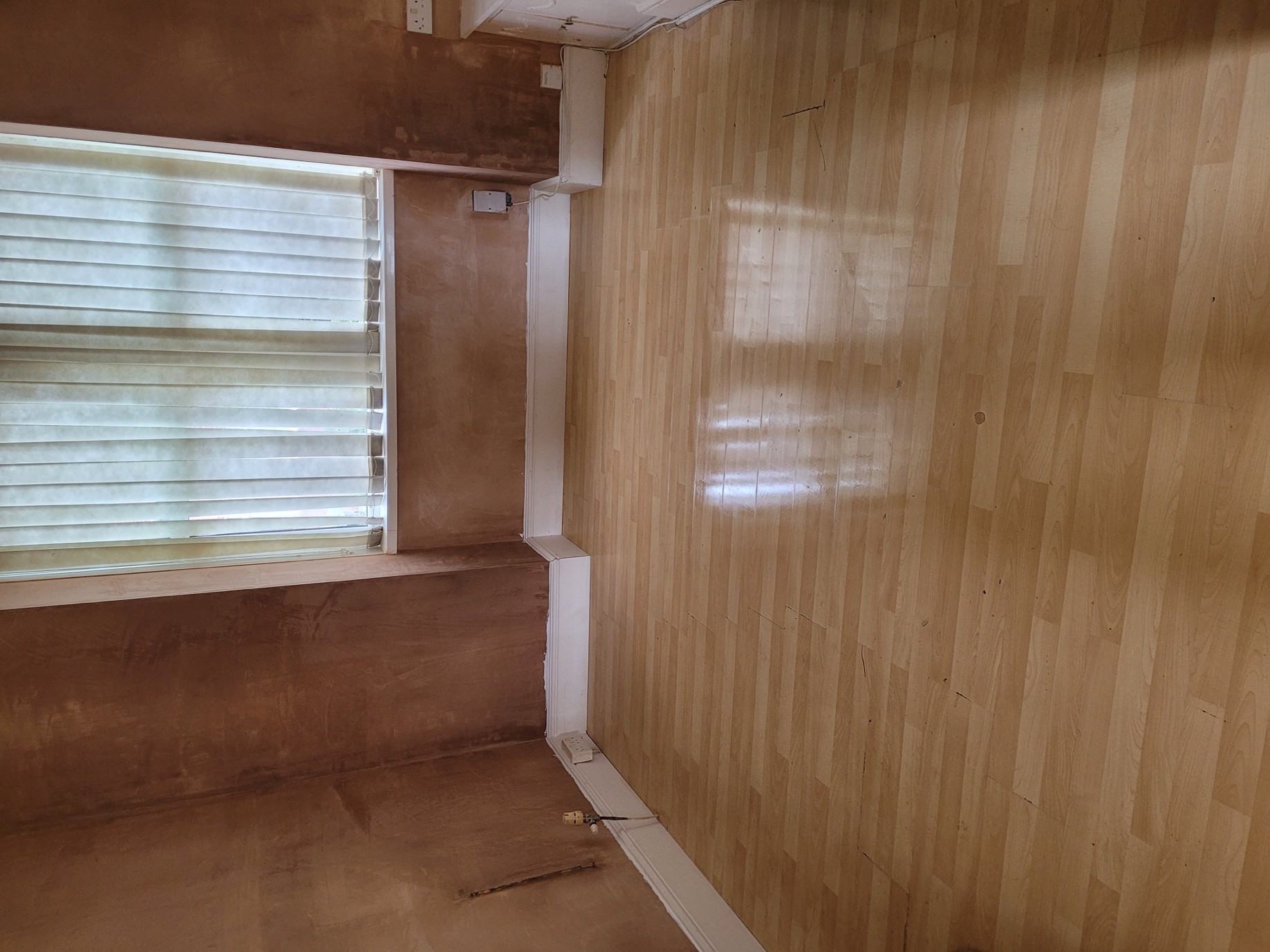
The short answer is not always. White crystalline deposits on plaster — called efflorescence — form when moisture carries soluble salts to the surface and evaporates, leaving the salts behind. While rising damp is one possible source, salts can also come from building materials, chimney flues, cleaning products or penetrating moisture.
01
What causes white salts on plaster
Efflorescence occurs when water moves through masonry, dissolving soluble salts along the way. As the water reaches the plaster surface and evaporates, it deposits the salts as white or fluffy crystals. The salts themselves come from several possible sources: the bricks, mortar, concrete or stone; old chimney flue deposits; ground salts associated with rising moisture; or cleaning chemicals and building products. Identifying the moisture route is more important than the salt itself.
02
When salts indicate rising damp — and when they do not
Rising damp typically deposits salts in a consistent low-level band, often accompanied by a tide mark, peeling finishes and soft plaster. However, salts above window level, around chimney breasts, on ceilings or in isolated patches are unlikely to be rising damp. Old chimney flues can release hygroscopic salts that attract moisture from the air even when the wall is dry. New brickwork or recent plastering can produce temporary efflorescence as construction moisture dries out. The pattern, height and context all matter.
03
Why hygroscopic salts complicate diagnosis
Some salts are hygroscopic — they absorb moisture from humid air and can make a wall surface feel damp even after the original moisture source has been resolved. This means a wall can appear damp on a humid day without any active water entry. A specialist assessment considers whether the dampness is from an active source or from residual salt contamination, because the treatment approach is different.
04
When to call a specialist
If white deposits are accompanied by crumbling plaster, persistent damp patches or repeated decoration failure, a site inspection can determine whether the cause is active moisture entry or residual contamination. The distinction affects whether source correction, salt-resistant replastering or both are needed.
Complimentary survey
Book Your Complimentary Survey
Over 35 years of independent expertise. Written findings included. No sales pressure. No obligation.
Book your complimentary surveyTechnical review
Dan, Director / Surveyor
Last reviewed: July 2026. Advice is general until the property, access and visible evidence have been assessed.
When to arrange a visit
Book an inspection when the problem is persistent, changing, purchase-related or unclear after basic maintenance checks.