
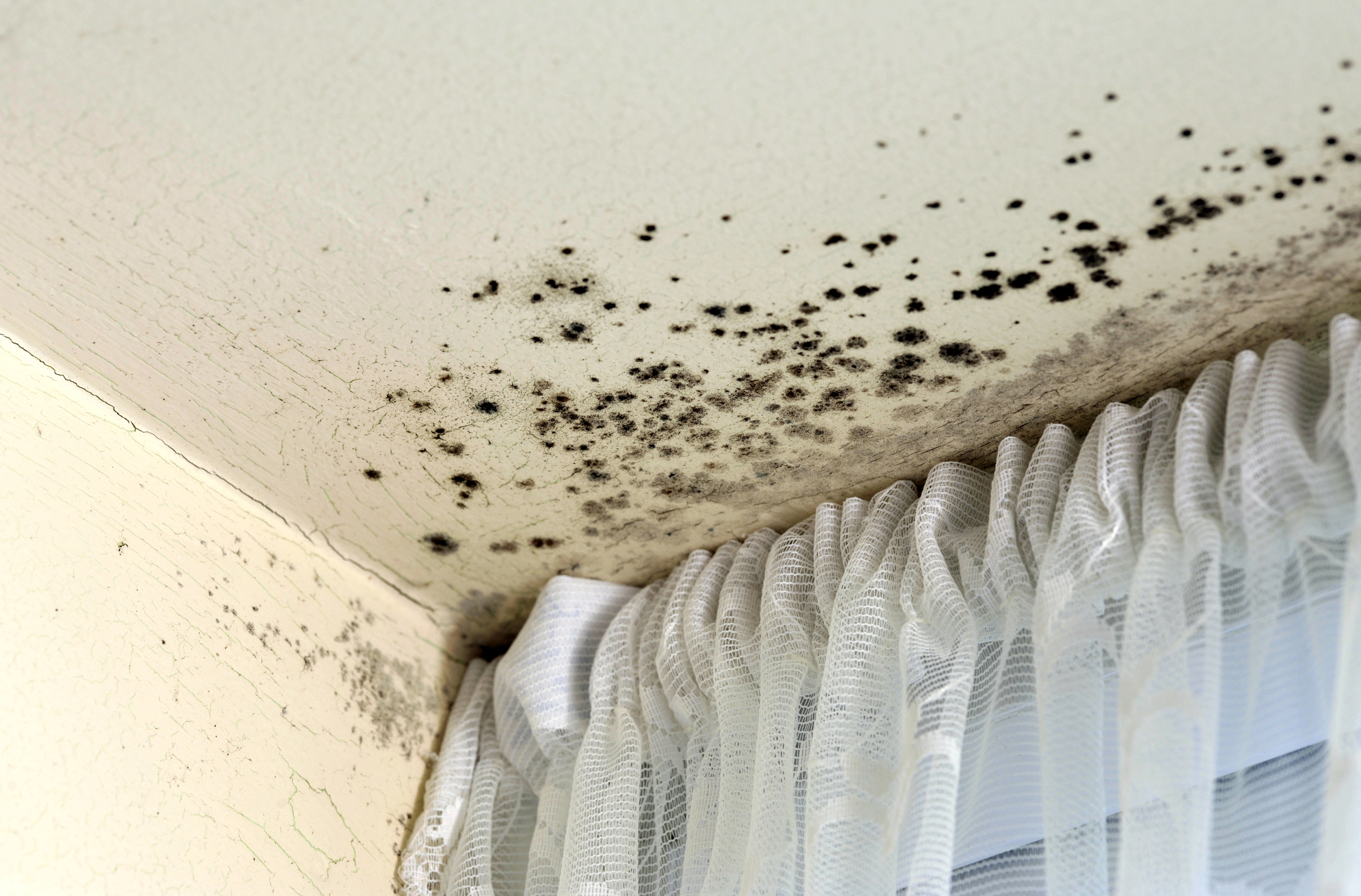
The short answer is that furniture against an external wall restricts airflow and traps warm, moist air against a cold surface. This creates the ideal conditions for condensation and mould growth, even in homes that appear well maintained.
01
Why furniture placement matters
Warm indoor air contains moisture from breathing, cooking, bathing and drying clothes. When a wardrobe, chest of drawers or sofa sits flush against an external wall, warm air circulates behind the furniture and meets the colder wall surface. The temperature difference causes the air to release its moisture as condensation on the wall. This hidden moisture is rarely dried by heating or ventilation and provides the persistent dampness that mould needs to grow.
02
Why some walls are worse than others
External walls on north-facing or exposed elevations are typically colder. Solid walls without cavity insulation conduct heat faster, making the internal surface colder still. Ground-floor rooms with poor heating, bay window returns, and corners where two external walls meet are particularly vulnerable. Even modern homes can develop mould behind furniture if extract ventilation is weak or the wall has a cold bridge.
03
Practical steps to reduce risk
Leaving a gap of at least 50mm between furniture and external walls allows air to circulate. Ensuring bathrooms and kitchens have effective extract ventilation reduces the moisture load reaching other rooms. Maintaining reasonable background heating helps keep wall surfaces above the dew point. These practical measures can reduce mould risk significantly, but they may not fully resolve the problem if the wall is particularly cold or the property has other building defects.
04
When to call a specialist
If mould behind furniture is persistent, covers a large area, or occurs despite reasonable ventilation and heating, a specialist assessment can check for underlying building defects, insulation gaps or penetrating damp that may be contributing to the cold surface. The cause may not be limited to furniture placement.
Complimentary survey
Book Your Complimentary Survey
Over 35 years of independent expertise. Written findings included. No sales pressure. No obligation.
Book your complimentary surveyTechnical review
Dan, Director / Surveyor
Last reviewed: July 2026. Advice is general until the property, access and visible evidence have been assessed.
When to arrange a visit
Book an inspection when the problem is persistent, changing, purchase-related or unclear after basic maintenance checks.