
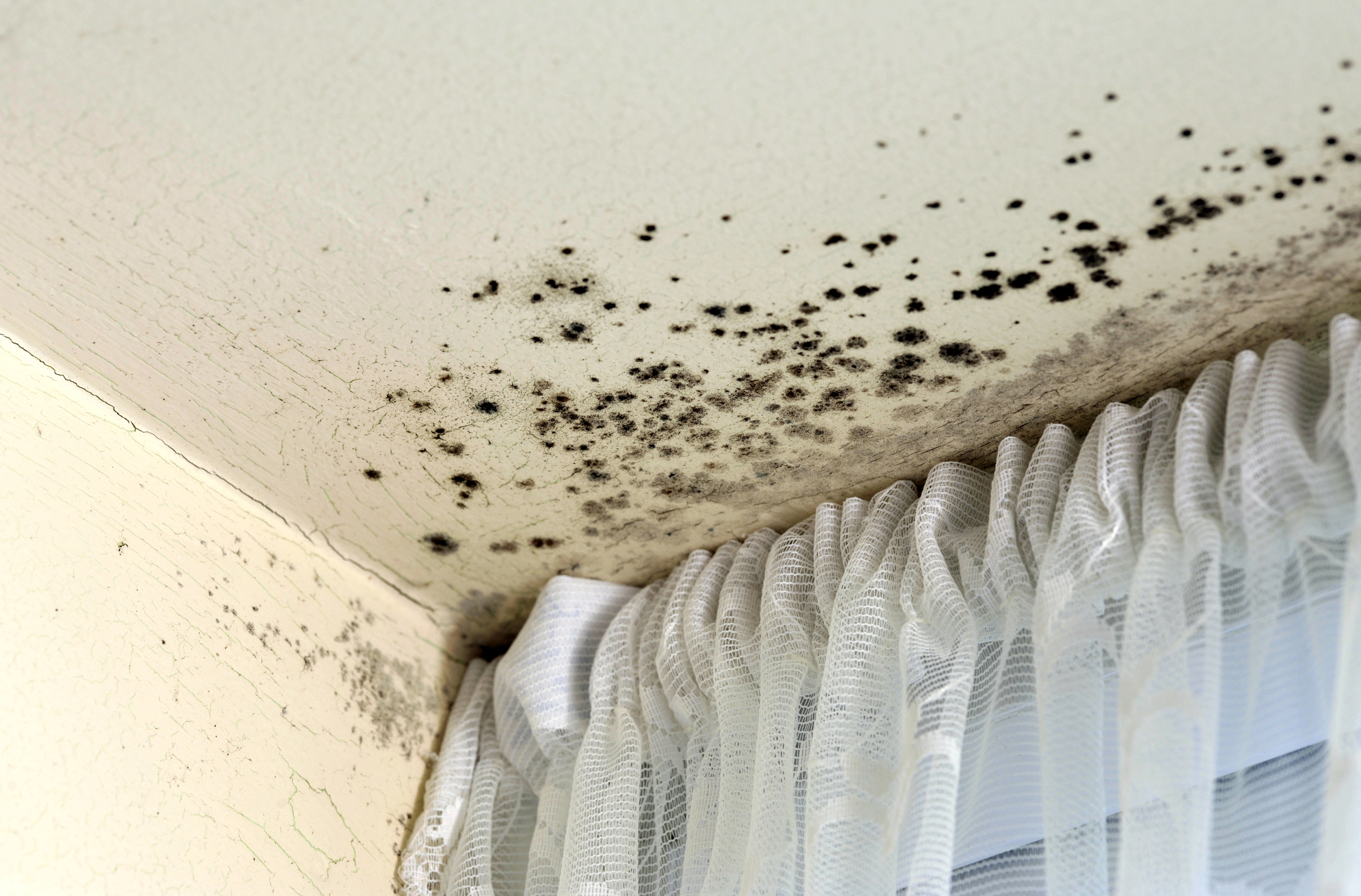
The short answer is that landlords have legal obligations to maintain the structure and exterior of rented properties, including addressing conditions that cause damp and mould. Recent changes to housing legislation have strengthened tenant protections and increased enforcement.
01
Current legal framework
The Landlord and Tenant Act 1985 requires landlords to keep the structure and exterior in repair, including the roof, walls, gutters, drains and external pipes. The Homes (Fitness for Human Habitation) Act 2018 requires that rented properties meet a minimum standard of fitness throughout the tenancy, including being free from serious damp and mould. Local authorities can serve improvement notices and hazard awareness notices under the Housing Act 2004 where damp or mould poses a health risk. Awaab's Law (part of the Social Housing Regulation Act 2023) introduced specific timescales for social landlords to investigate and remedy hazards including damp and mould.
02
What landlords should do when mould is reported
Respond promptly and investigate the cause. A fair assessment considers the property condition, heating provision, ventilation, insulation, maintenance defects and occupancy patterns together — not just one factor. Document the inspection with photographs and findings. Carry out repairs to building defects, ventilation and heating where these contribute to the problem. Do not default to blaming the tenant without evidence.
03
Why a specialist inspection helps
An independent cause-led inspection provides documented evidence of the property condition, contributing factors and recommended remedial work. This supports compliance records, demonstrates reasonable action and helps avoid disputes that escalate to environmental health or legal proceedings. A balanced report that considers both building and occupancy factors carries more weight than an assumption.
04
When to arrange an inspection
As soon as a tenant reports persistent damp or mould. Early investigation and documented action demonstrate responsible management and can prevent escalation to enforcement action. We provide cause-led inspections for landlords, managing agents and housing providers without defaulting to occupant blame.
Complimentary survey
Book Your Complimentary Survey
Over 35 years of independent expertise. Written findings included. No sales pressure. No obligation.
Book your complimentary surveyTechnical review
Dan, Director / Surveyor
Last reviewed: July 2026. Advice is general until the property, access and visible evidence have been assessed.
When to arrange a visit
Book an inspection when the problem is persistent, changing, purchase-related or unclear after basic maintenance checks.