
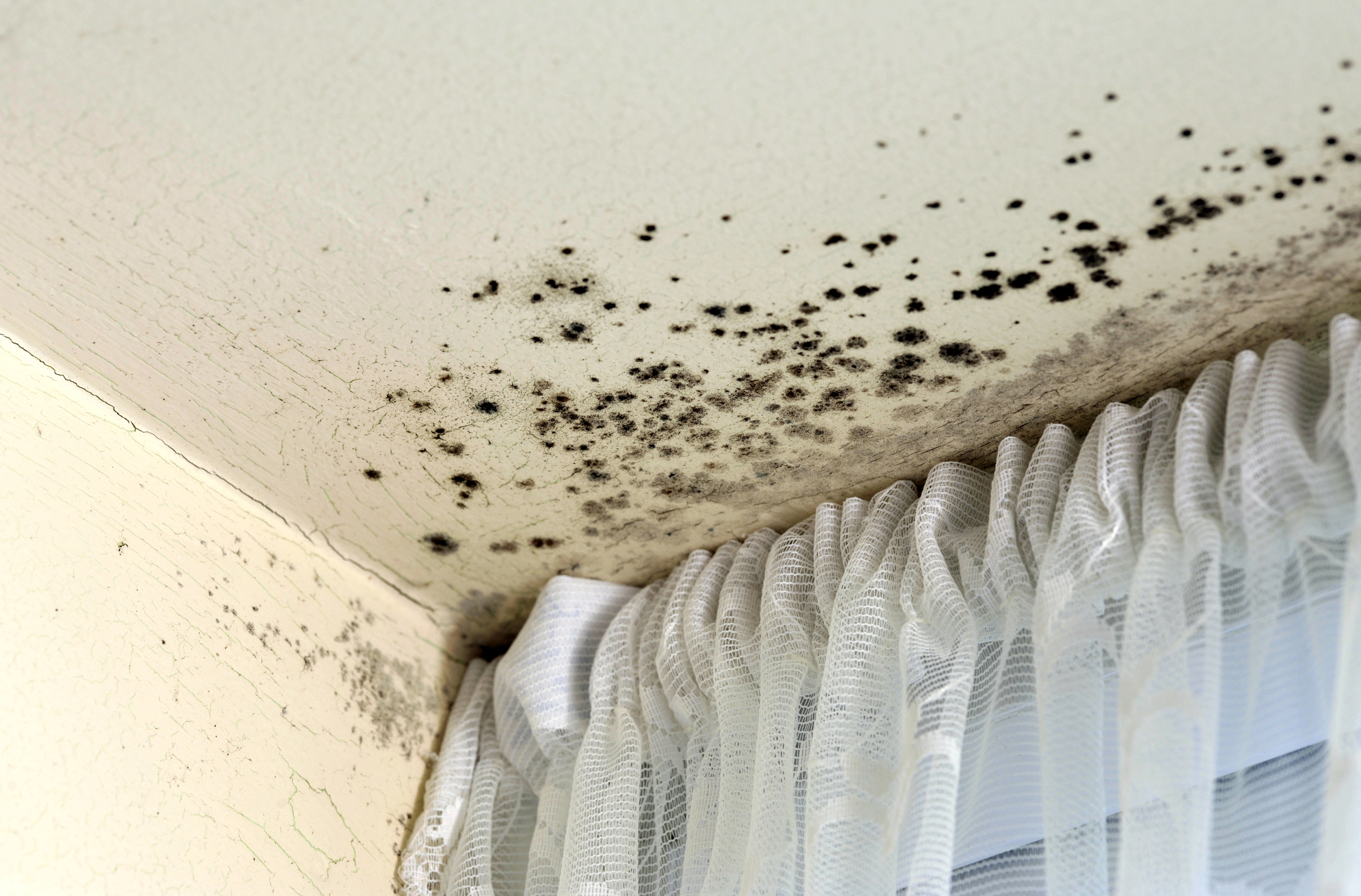
The short answer is yes. Condensation forming on cold ground-floor walls can produce low-level damp patches, peeling paint and even mould growth that looks remarkably similar to rising damp. The distinction matters because the treatments are completely different.
01
How condensation mimics rising damp
Cold external walls at ground level — particularly solid walls without cavity insulation — can reach temperatures where humid indoor air condenses on the surface. This can create a damp band at low level, soft plaster, peeling paint and visible mould. An electrical moisture meter will show elevated readings in both cases. Without considering temperature, airflow and building context, these symptoms can easily be mistaken for rising damp.
02
Key differences to consider
Rising damp tends to produce a consistent tide mark with salt deposits, typically in older properties with absent or bridged DPCs. It does not change significantly with season or heating. Condensation tends to be worse in winter, can appear on internal partition walls as well as external walls, is often associated with mould growth in corners and behind furniture, and improves with heating and ventilation changes. Neither pattern is conclusive on its own — both need site context.
03
Why misdiagnosis is costly
Treating condensation as rising damp can lead to unnecessary DPC injection and replastering, while the mould and dampness continue because the actual cause — cold surfaces and humidity — has not been addressed. Conversely, dismissing rising damp as condensation can leave an active moisture source unchecked, causing progressive plaster and decoration failure.
04
When to call a specialist
If low-level damp or mould persists despite reasonable heating and ventilation, or if you are unsure whether the cause is condensation or a structural moisture issue, a specialist inspection can test the likely mechanism and recommend proportionate treatment.
Complimentary survey
Book Your Complimentary Survey
Over 35 years of independent expertise. Written findings included. No sales pressure. No obligation.
Book your complimentary surveyTechnical review
Dan, Director / Surveyor
Last reviewed: July 2026. Advice is general until the property, access and visible evidence have been assessed.
When to arrange a visit
Book an inspection when the problem is persistent, changing, purchase-related or unclear after basic maintenance checks.